

Being a student of Economics and Psychology, I have always been intrigued by men and money. What motivates a man to make money? And is there a difference in the behaviour of first-generation millionaires and those who have inherited their wealth?
Shreyasi Singh’s book The Wealth Wallahs actually talks about the new age entrepreneur in India and how he deals with the wealth he has created. A completely new line of thinking has emerged leading to a new class of business – Wealth Management.
[bctt tweet=”Attitude and perceptions about money have always been tinted with a jaundiced eye. More often than not, the viewer sees money through glass that is green rather than rose-tinted” username=”viaunishta”]
Attitude and perceptions about money have always been viewed with a jaundiced eye. More often than not, the viewer sees money through glass that is green rather than rose-tinted. However, let us be honest, money is a motivating factor in man’s behaviour. Let us not kid ourselves that we are motivated by mere altruism.
This book throws up some very interesting facts about rich Indians. Contrary to popular belief, many new Indian millionaires are from small towns. They came from modest means and more often than not, from a non-entrepreneurial tradition or background. Equally surprising is the fact that many of them weren’t actively pursuing wealth but came upon riches by sheer dint of hard work, luck and also opportunity.
But having acquired unimaginable riches, how do these millionaires protect their fortunes? How do their newfound riches affect their lifestyles and values?
I would strongly recommend this book to everyone because it does throw light on the rich and how they deal with their wealth.
Perhaps this quote will inspire you to read it.
In contrast , inheritors understood that creating family wealth was a generational game that came from patience and prudence. They knew growth eventually followed protection: As long as their corpus was protected, it would lead to a growth in their assets Swiss private banking was based on this notion , best explained by the term l’dor va’dor or literally from ‘generation to generation’.
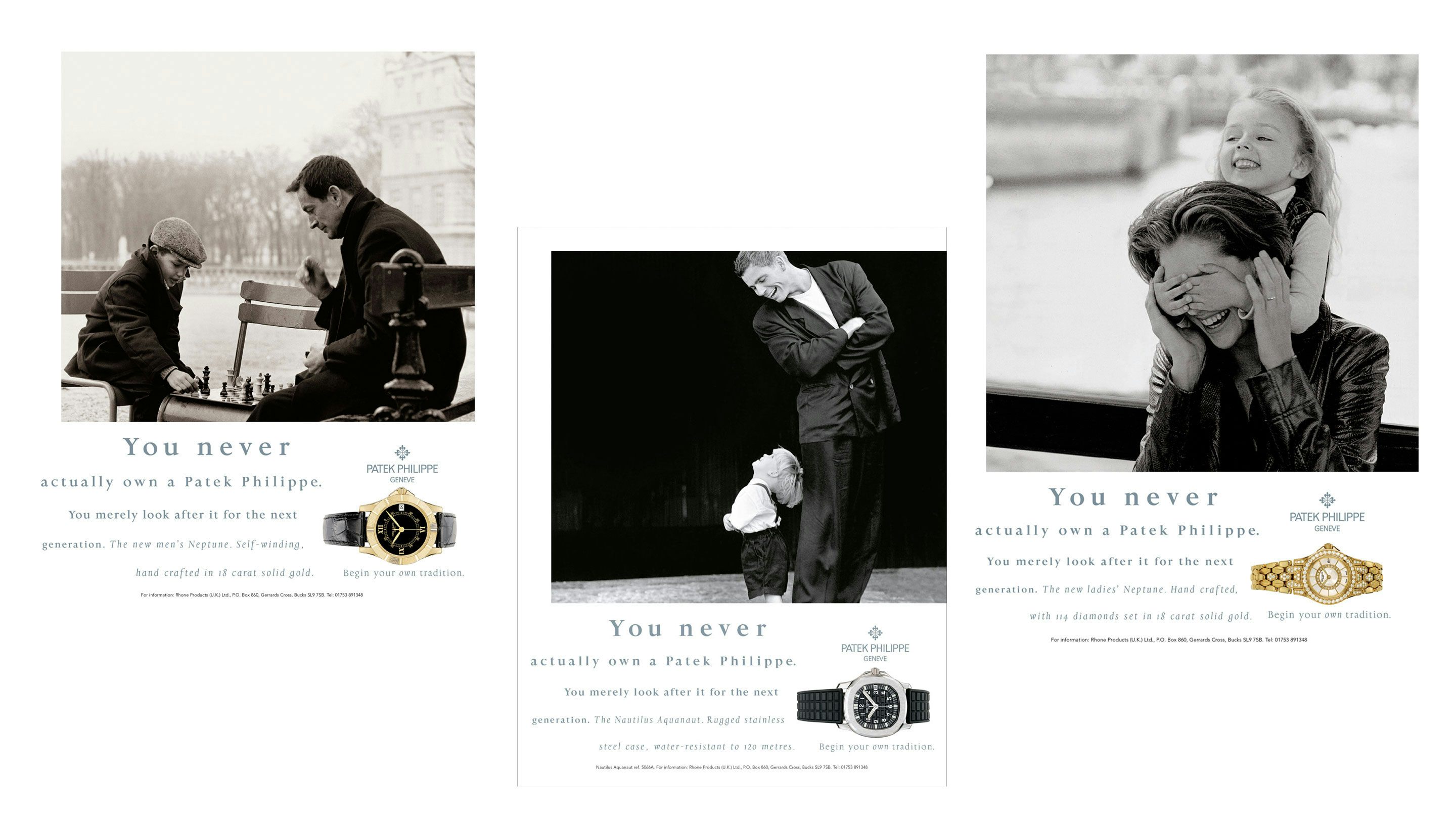
For example, the evocative was of Patek Philippe’s advertising campaign – that captured the emotion of the expensive watch being a family heirloom passed down from generation to generation – didn’t resonate as much with the first generation wealthy, more focused as they were on the new.
The Wealth Wallahs by Shreyasi Singh
I must admit that I was intrigued by the hashtag #BookBytes because it reminded me of my of own former nom de plume Bellybytes. It was only as late as last year that I changed to a more conservative and grown-up sounding Unishta on the advice of Shailaja whose blogging tips are invaluable.
This is my first post for Obsessive Mom’s initiative #BookBytes. The good thing about this hashtag is that it has inspired me to read at least two books a month.
Do let me know if you read the book.
Ciao


 Twenty- five Seven
Leave a comment