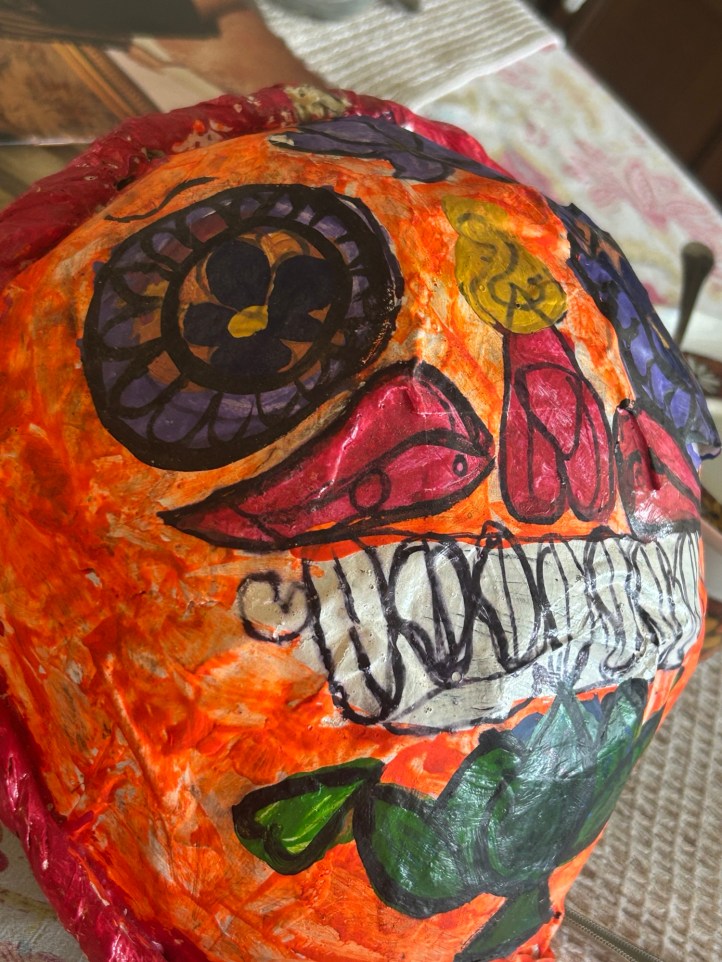
Yesterday we welcomed the ghosts to our home. Not real ghosts but the spirits who supposedly hang around at this time of year.
What is it about the fading light, the dying leaves and the cooler days that make one remember one’s ancestors?
Halloween may be essentially a Western concept but it has now become a global phenomenon. You may be anywhere in the world but come 31st October, you will find the spooks are out.
I remember how shocked I was the first time I saw ghouls walking on the streets, grown adults wearing ghastly costumes, faces made up to look scary and gruesome. Soon this trend came to India and is now a full fledged ‘festival’ in my city where children happily walk up and down the skyscrapers they live in trick or treatin’ their neighbours.
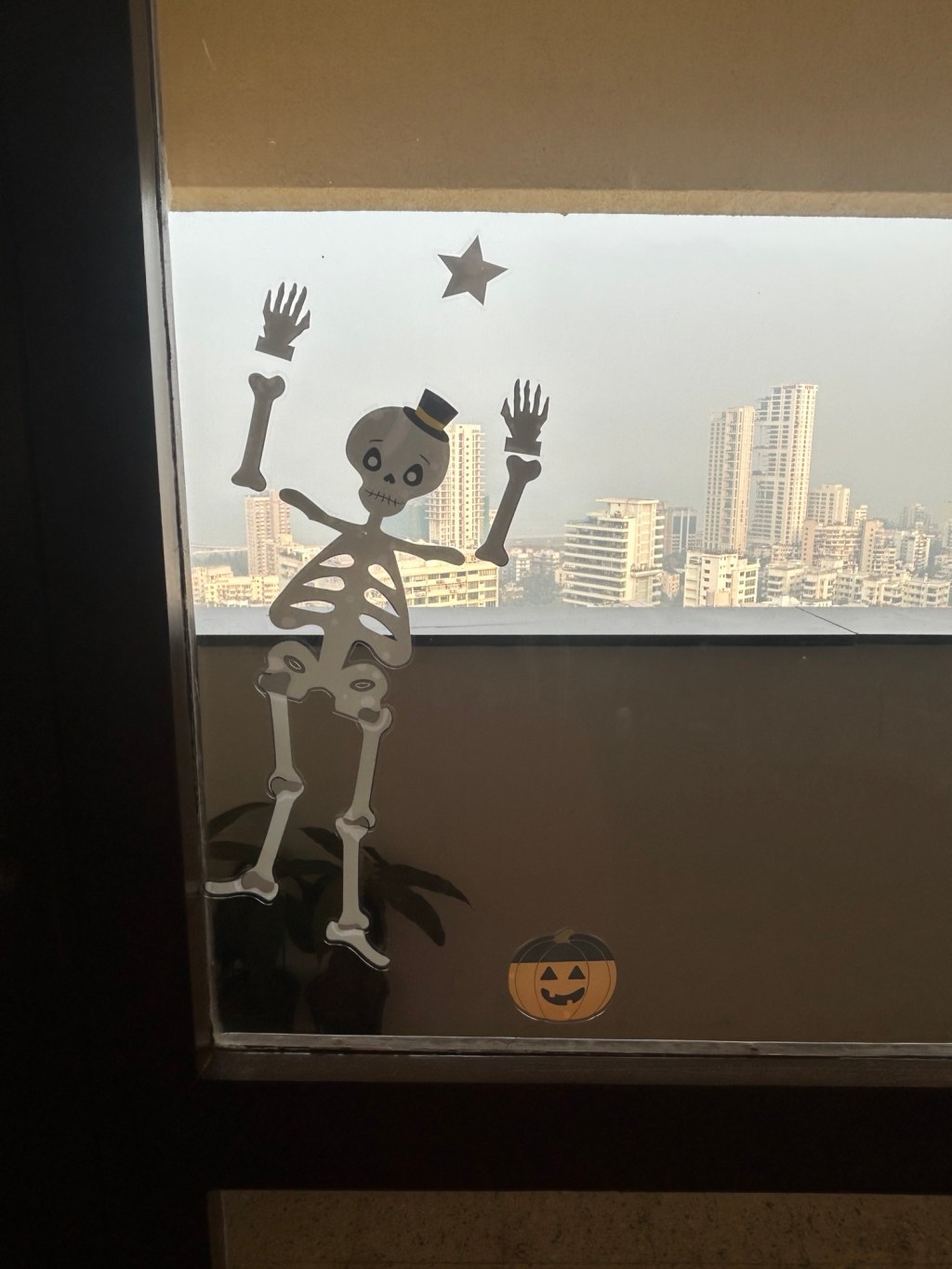
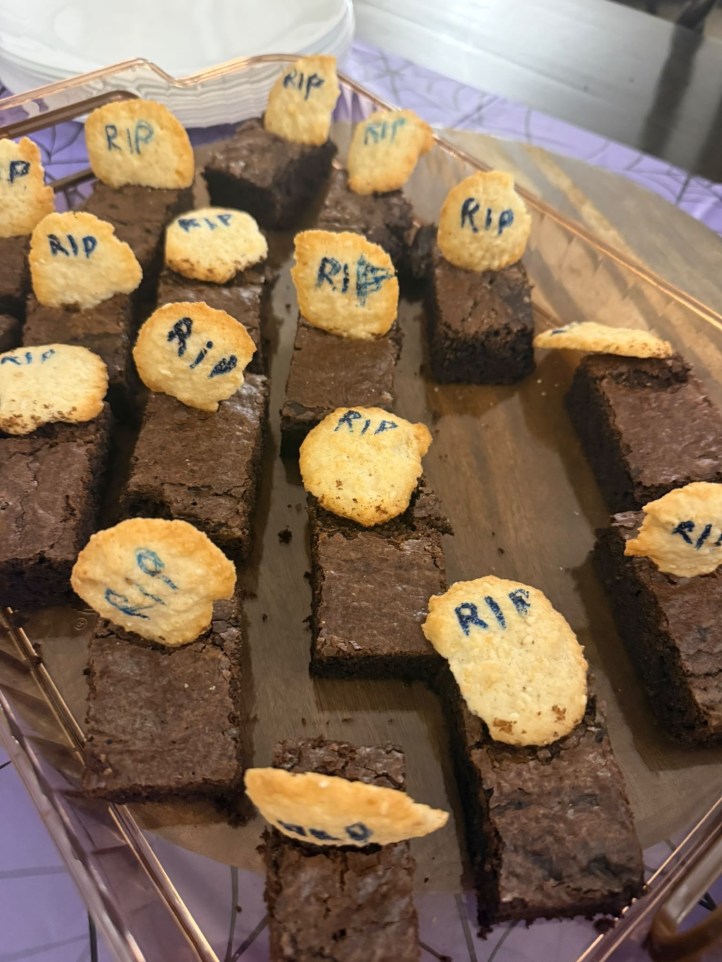
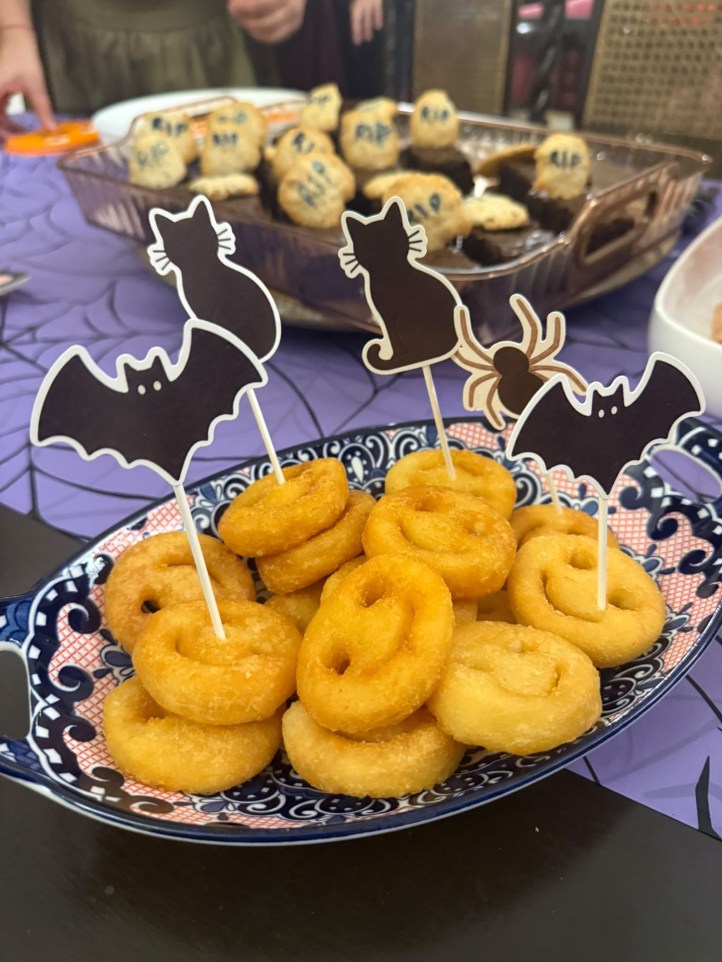
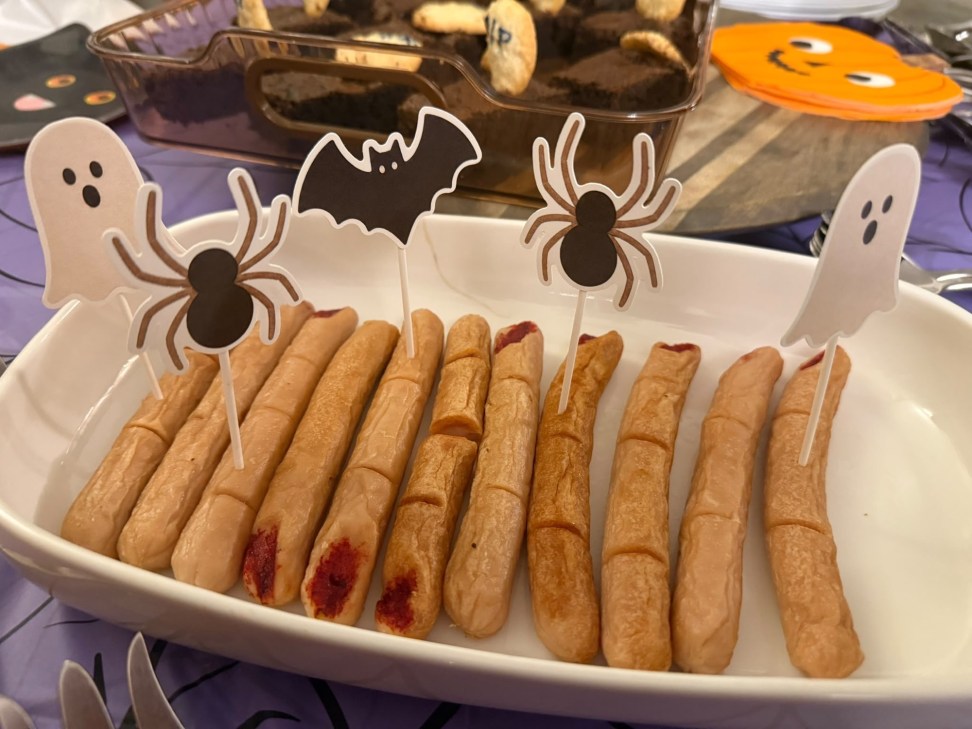
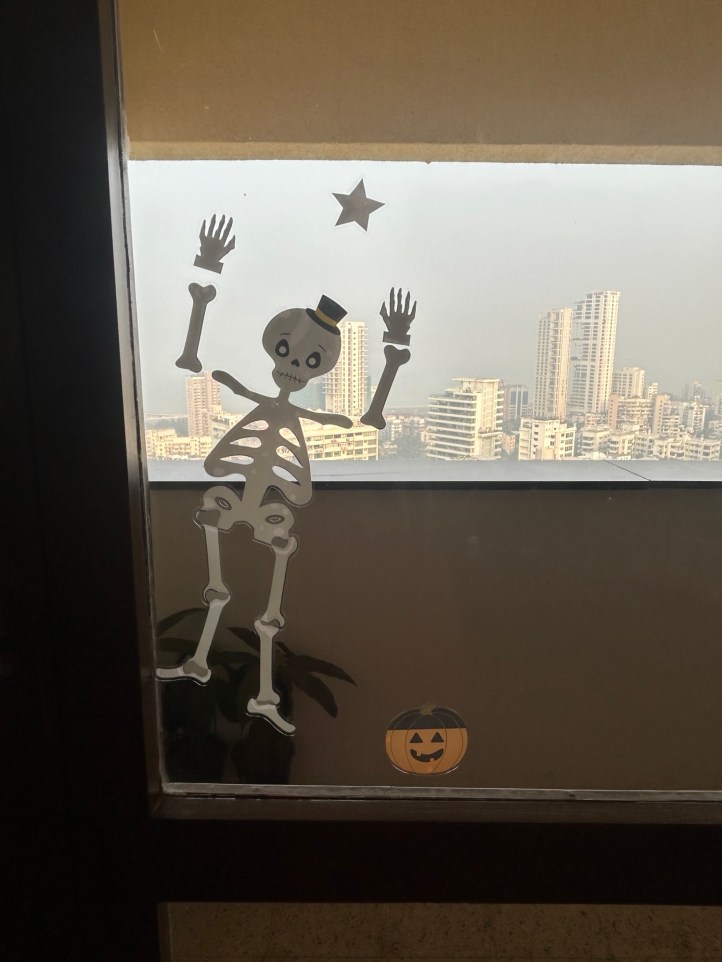
Graveyard browniesPotato smileysSevered sausage fingersSkeleton at the window
Ms Papaya’s overseas friend had come over so she hosted a party for 8 little girls who had a screaming good time.
Halloween came a week too soon for us but the spooks went back happy.
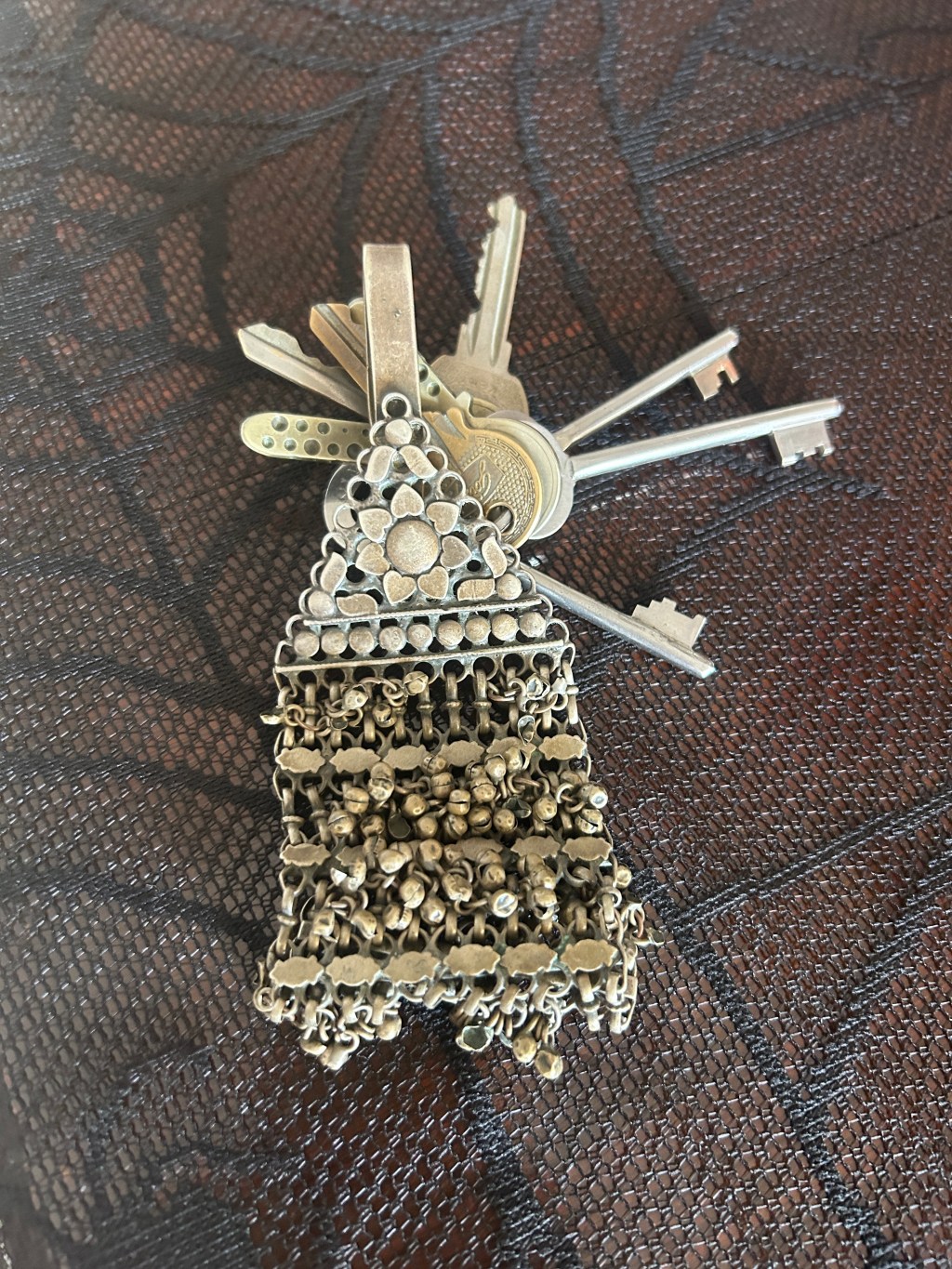
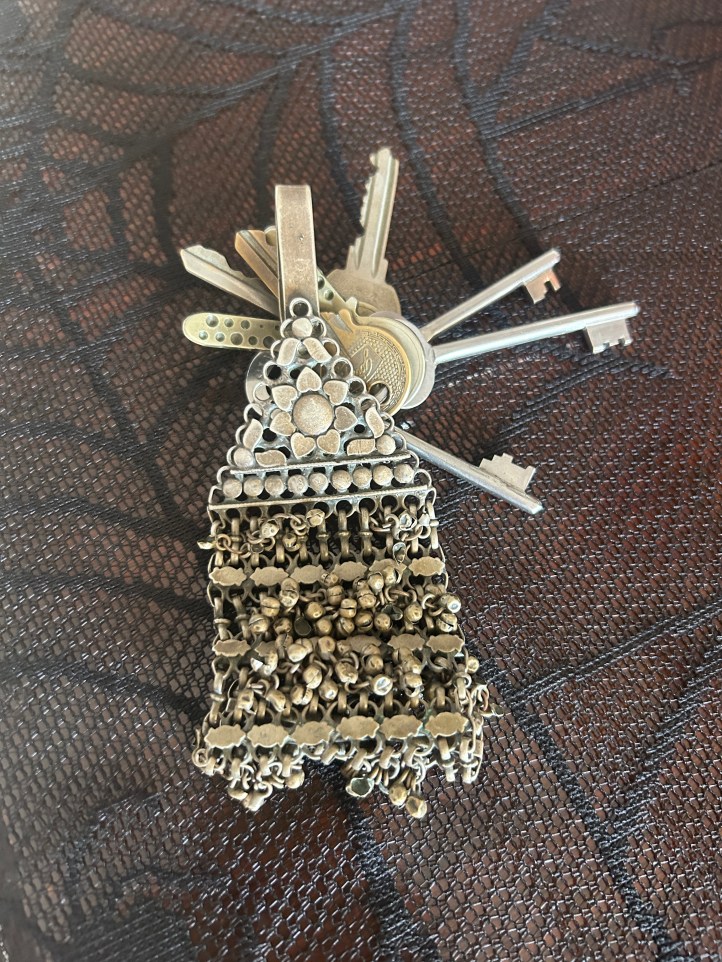
This is my silver key chain with bells, the bunch of keys that I keep clipped on my waist. Most Indian women (at least the old-fashioned ones) have a keychain like this, clipped onto the sari. It was the ultimate symbol of a bossy and efficient housewife who ran her household like a tight ship. It was much cherished and passed on like a baton by a mother-in-law to her daughter-in-law, signifying a transfer of power.
My key chain has no such provenance. I bought it with the money my husband gifted me the first Diwali we celebrated as a couple simply because I was always impressed by this jingle-jangle of bells and had always wanted a symbol of power. Nor am I under the illusion that my presence makes my minions quake, since I have no minions either!
But my key chain with its tiny bells was a great early warning system for my little girls who used to stay up long after their stipulated bedtime of 8 p.m., playing in their room while Hubby and I were out for the night. They were warned of dire consequences if they didn’t put off the lights at 8, but happily overlooked it, knowing that they had almost till midnight to stay awake. Also, they knew that the minute they heard the tinkling sound at the door, they could quickly jump into bed, pull up the covers and shut their eyes tight (pretending to be fast asleep) while I looked in on them and kissed them good night.
It’s been quite a while since these bells worked as an EWS because the girls have now grown up. We have become old and hardly go out till after midnight. And many of the bells have fallen off.
So the poor bells lie waiting silently, somewhere at the bottom of my bag, in hope that one day, they will magically perch on my sari and feebly jingle, warning the grandchildren who are staying over the night, that Granny is home and it’s time to call their shennanigans quits.
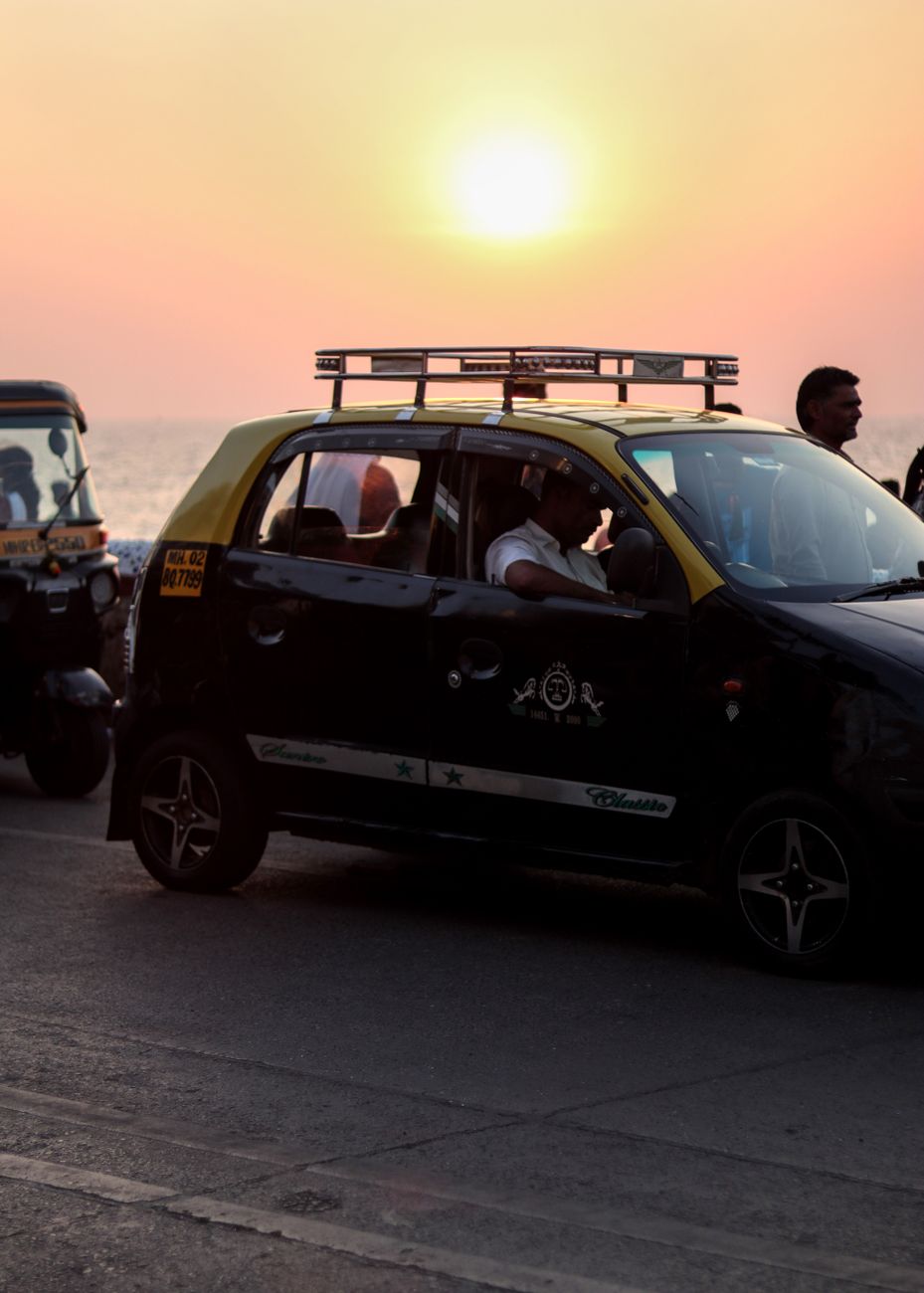
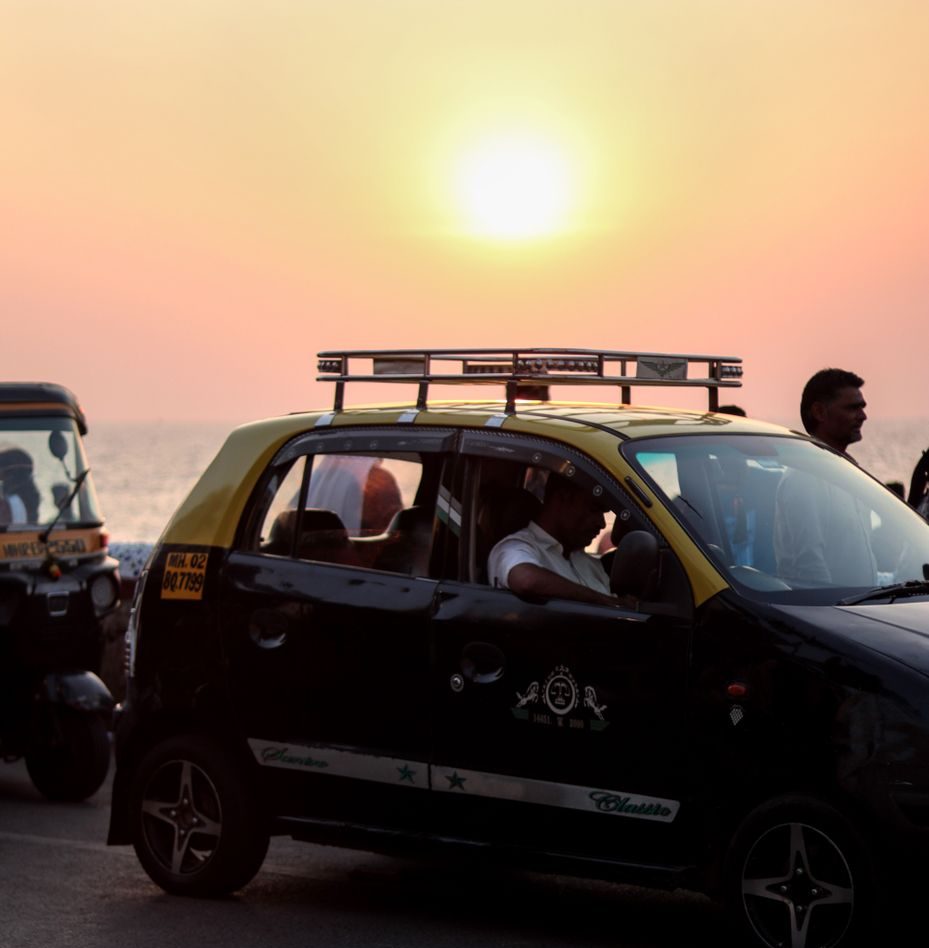
Like many of my generation, a 60+ senior citizen living in Mumbai, I am quite unfamiliar with Ubers. I do have the App on my phone and I do use it once in a while but while my children happily call for an Uber at the drop of a hat, I still prefer flagging down a black and yellow Mumbai taxi known as the ‘Kaali-Peeli’ as a default option for travelling in the city. And I think many of my generation automatically call a dial-a-cab service whatever it may be called by the generic term ‘kaali-peeli’ even if they don’t sit in one.
So one afternoon when I had to go to Crawford Market ( oops, Mahatma Phule Market), I stepped out of the Club and asked the watchman to call for a taxi. Within minutes a rickety kaali-peeli pulled up. It was driven by a white-bearded Sardarji who was busy stroking his beard . Before I got in I asked if he had a QR code because even though my operating system hasn’t revved up to the Uber, I have happily adopted digital payment and very rarely step out with real money. And to my chagrin, not many taxi drivers like online payments.
The old man muttered something which I couldn’t understand because it was a strange Hindi jumbled up with Punjabi. What I understood was that he asked me to get in and he would take mewherever I wanted for free.
All at once, I was alarmed even though it was 3 in the afternoon and there was no where he could ‘abduct’ me. I definitely didn’t want to be beholden to a stranger. But then, I comforted myself that the taxi driver was probably going towards the market anyways and would have preferred a fare rather than going empty.
While we made our way to the market, I kept telling him to share his mobile number so that I could pay him the fare. Once again he refused and complained that the world would go to hell if online payment wasn’t stopped. Cash was king he assured me and even if I didn’t pay him, Guru Nanak would pay him.
I was beginning to wonder if he was a bit crazed because he kept stroking his beard and telling me that his children wouldn’t let him use mobile banking ( not his words of course) and that he only became a citizen of this country six years’ ago. By this time I was convinced that he had completely lost it when he suddenly stopped by a crowded bus stop and asked a person who was obviously waiting for a bus/taxi whether he wanted a ride.
Coincidentally, that person also wanted to go to Crawford Market ( yes, another person who called it by that name even though he seemed twenty years younger than me). The taxi driver asked the new passenger to sit in front and asked if he had cash. Then he told me to pay the passenger up front by UPI and asked the passenger to give him cash.
I was stunned by the ingenuity of the taxi driver. He got my full fare while the new passenger got the free ride!