

Alibag today is home to many Mumbaikars especially the rich and famous who like to hop into their speedboats and head to the mainland for a rejuvenating weekend break. But it wasn’t always so. Not so very long ago, ‘Alibag’ as it is known was a conglomeration of tiny scattered villages of ordinary people doing ordinary things like farming and fishing.
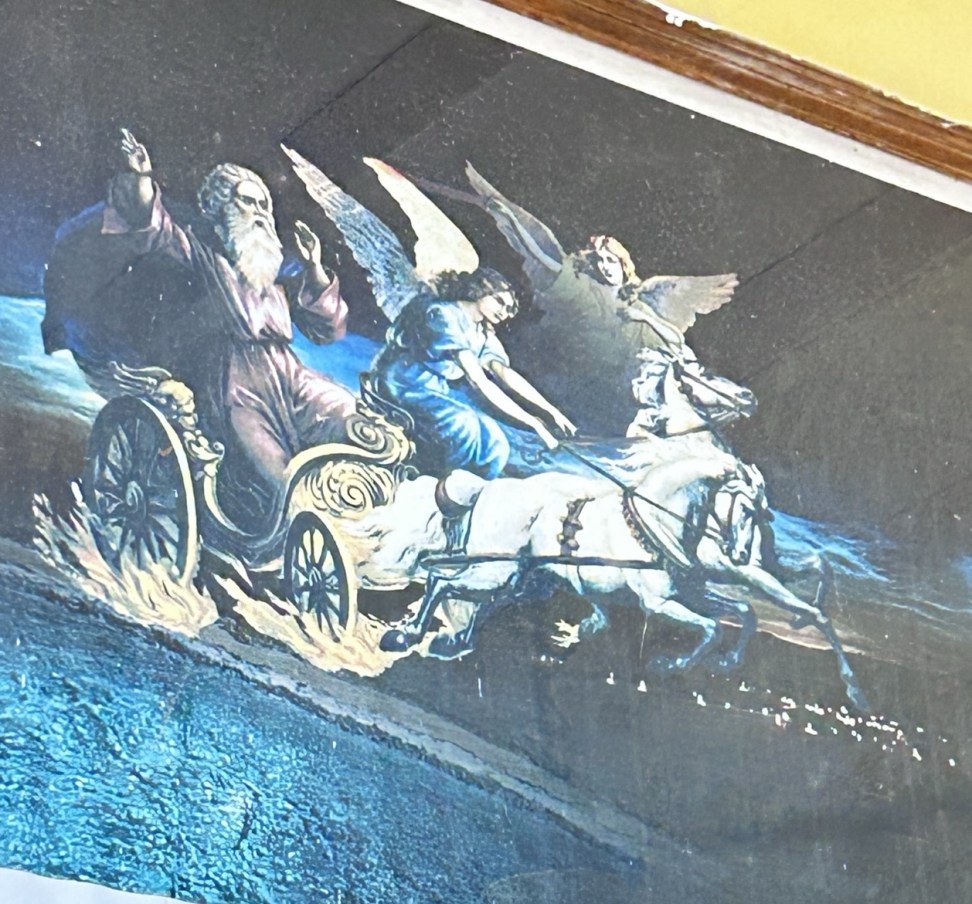
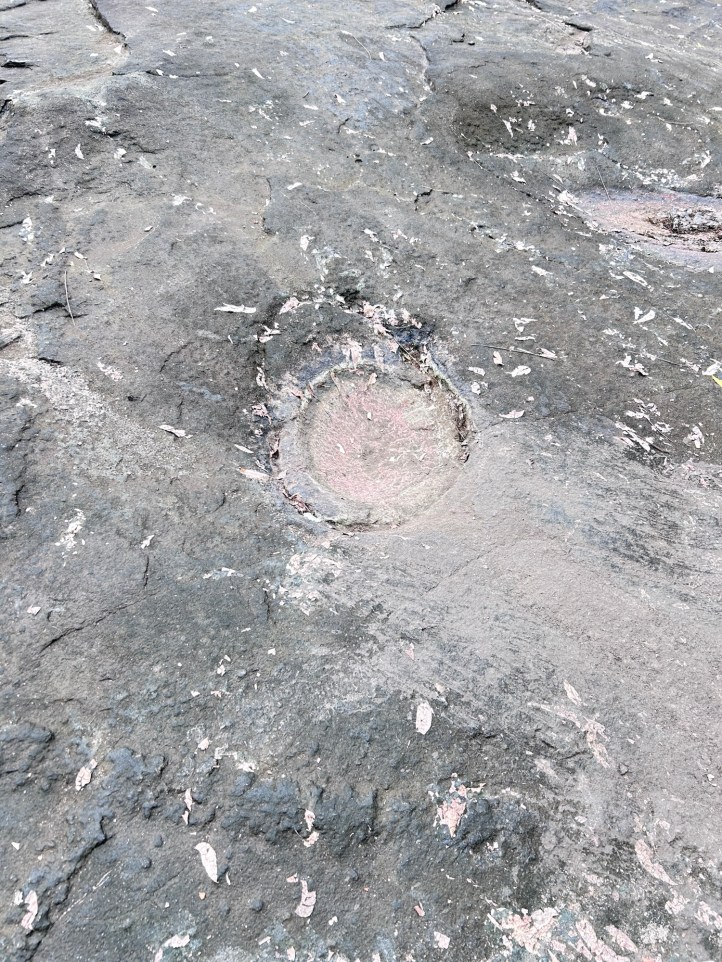
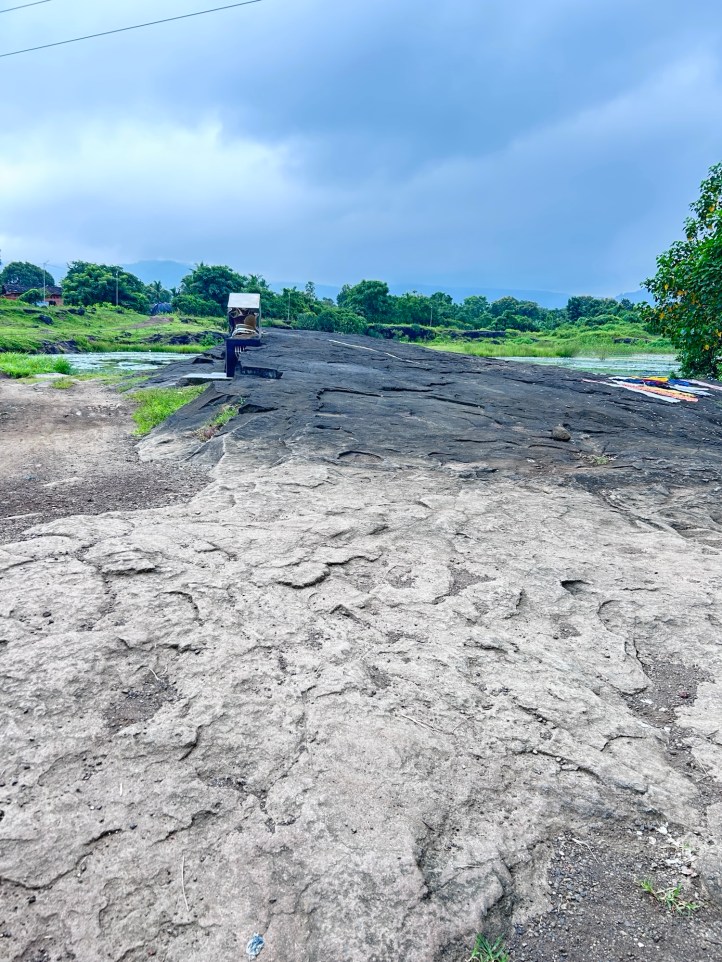
After a quick breakfast of Pohe and Dossa , Yogiraj took us to see the Ghodyache Taap or a Rock with a hoof print. Legend has it that the Prophet Eliyahu Hannabi came down to see how his people were faring . The hoof print was left as his chariot took flight from the rock which strangely resembles a runway strip.
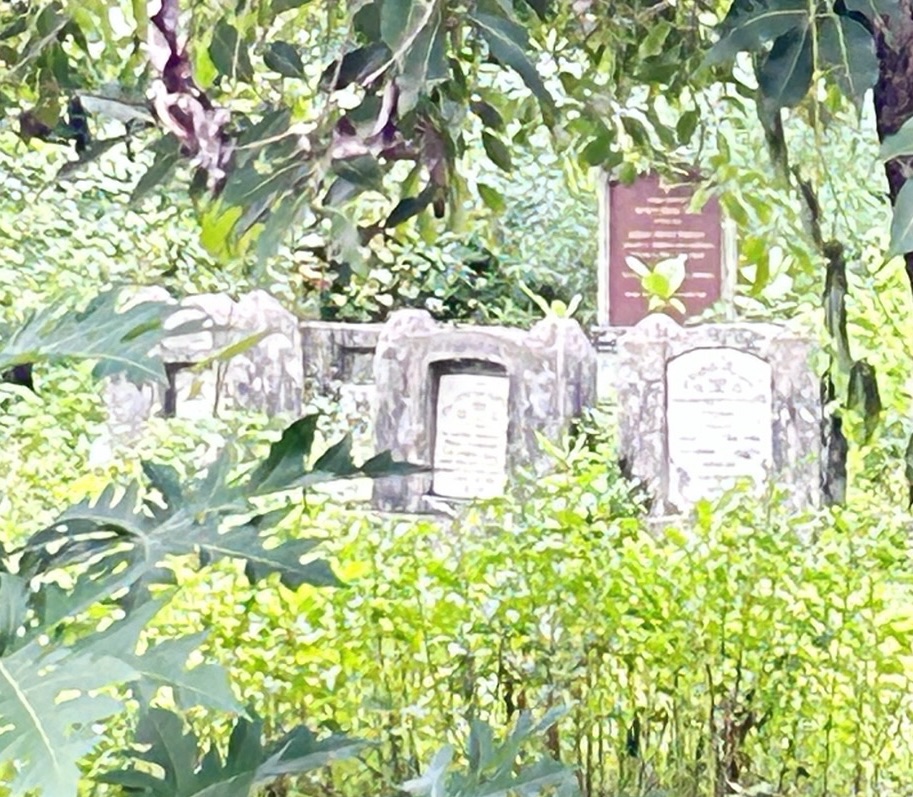
On the way to the Rock we passed a Jewish cemetery.
The rock itself is venerated by the locals and we were told to remove our footwear if we wanted to go closer to the rock. A couple living in a house close by light a lamp every day. But this is of great importance to the local Jewish families who come here to offer thanks with lamps and ‘malida’, a mixture of beaten rice flakes, coconuts, jaggery and dry fruit.

The Bene Israeli
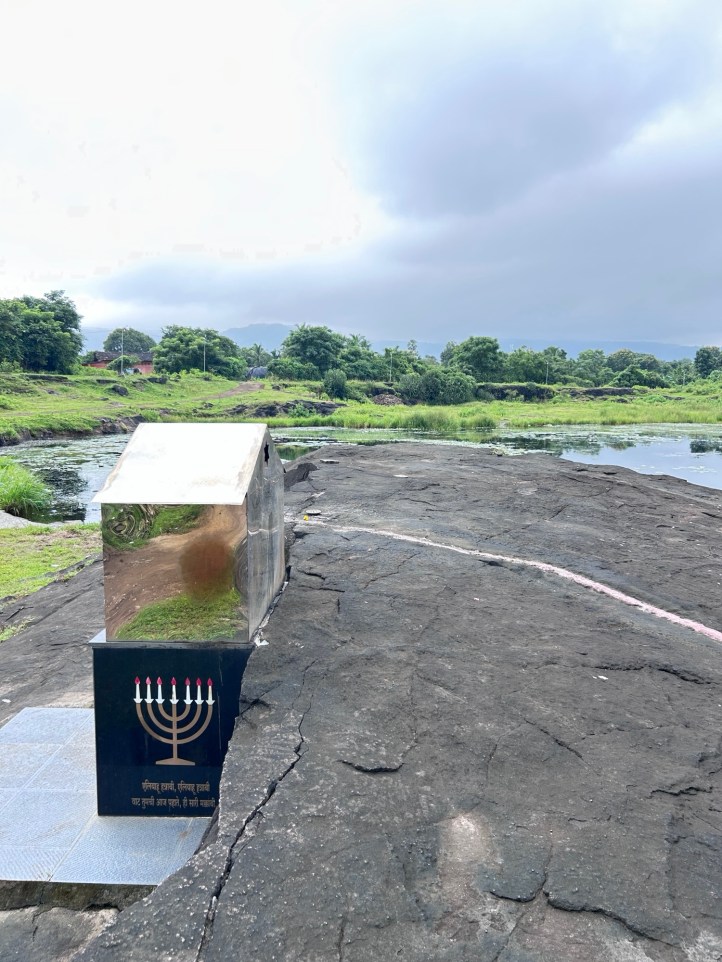
Over 2000 years ago, after the burning of the second temple at Jerusalem, a group of people fled Palestine seeking safer pastures. They were shipwrecked off the west coast of Maharashtra and were washed ashore at Navgaon ( in the vicinity of Alibag).
The 7 couples were oil pressers in their native Palestine so when they came here they continued this profession that they were familiar with. Hence they were known as Telis or oil pressers and because they observed the Sabbath, were called ‘Shanivar Teli’.
Initially the oil they produced was bitter and inedible, so was used as a lubricant by the fisherfolk but gradually they pressed edible oil and branched out to other professions. However, the moniker prevailed.
The Telis adopted the customs and dress of the locals, and were indistinguishable from the locals. Apart from the star of David and the Hand of Mariam on their homes, their observance of Jewish customs and prayers, and their names, they could easily be mistaken for locals. Till today, they speak Marathi, and their food is influenced by the local food thought following strict kosher laws.
While their names like Elijah, Benjamin and Samson were derived from the old Testamen, their surnames denoted the village of their origin. Thus a Benjamin from Awas became Benjamin Awaskar.
Locked as they were, far away and isolated from their original homeland, they practiced an Orthodox form of Judaism as it was how they knew it when they left.
The Husband Boats
Like most people from Alibag, the Bene Israeli began seeking jobs in Mumbai and other cities inland. They took up jobs in the Military and the government. They were well known in the field of education (particularly their women who were much sought after to promote and spread female education). So, in the early years, like the other men from Alibag, many of them commuted from Mumbai to Alibag, catching the Saturday boat home from Ferry Wharf and returning to work in the city on Monday. Thus, these boats came to be known as Husband Boats since most of the passengers were men who worked in Mumbai from Monday to Saturday.
But, by the early 18th century some took their families with them and they formed settlements in Bombay. and Thane. It was only when a Cochini Rabbi noticed some women in Byculla fish market buying kosher fish and followed them home, did he realise they were Jewish and brought them into the mainstream.
Yasmin! Yasmin! & Israel Ali
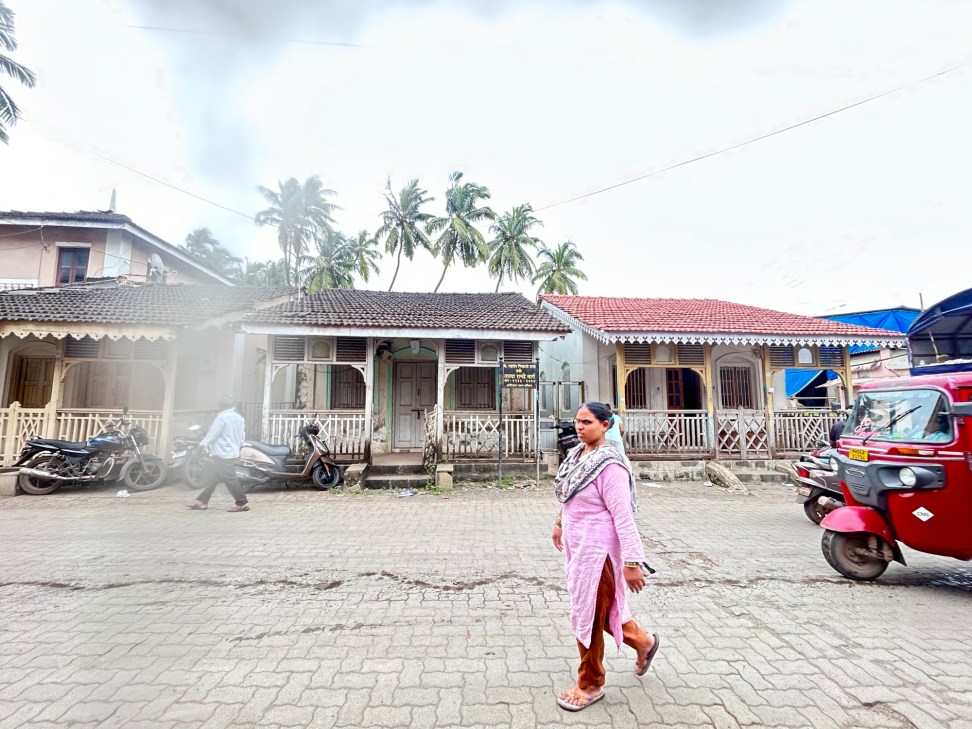
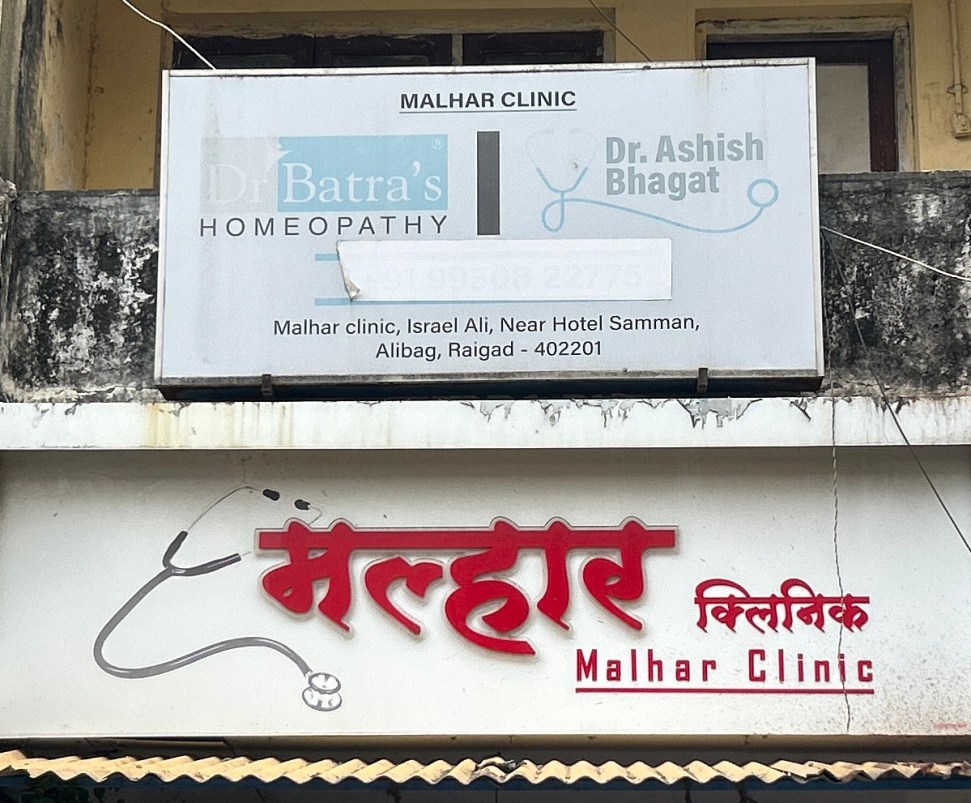
We were on our way to the synagogue and we passed through Israel Ali ( or alley) as evidenced by the signboard advertising a doctor’s clinic
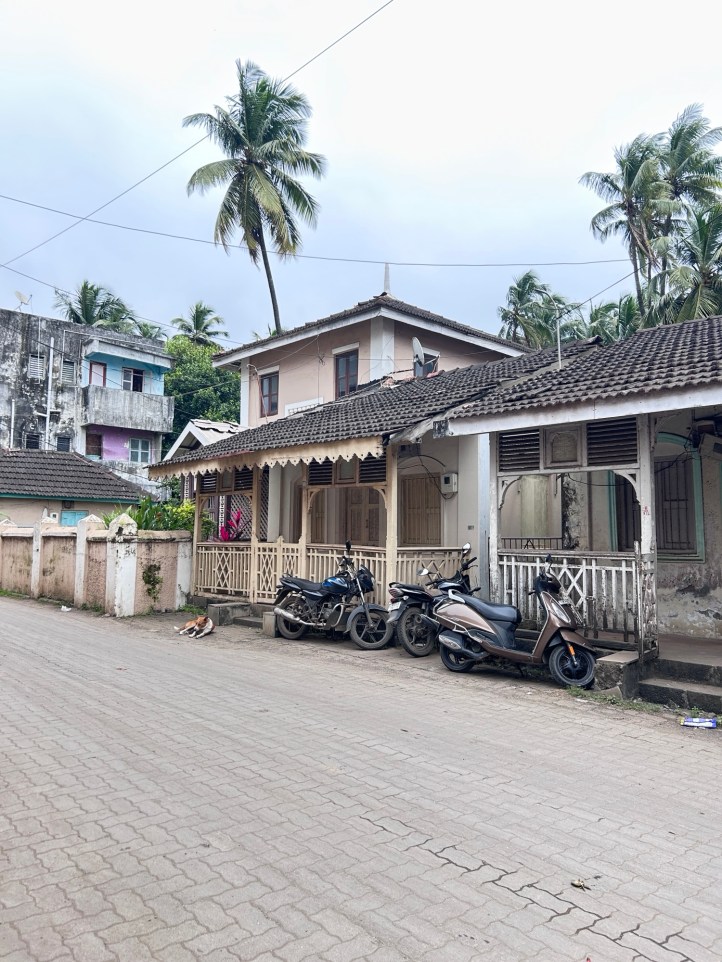
Suddenly we heard excited shouts of “Yasmin! Yasmin!” from the third house in a row of houses which once belonged to a Jewish family. While two brothers migrated and sold their property only one house remains with the family.
The lady had mistaken my friend Mrs B for one of the former residents who had come for a visit (as many Bene Israeli still do).
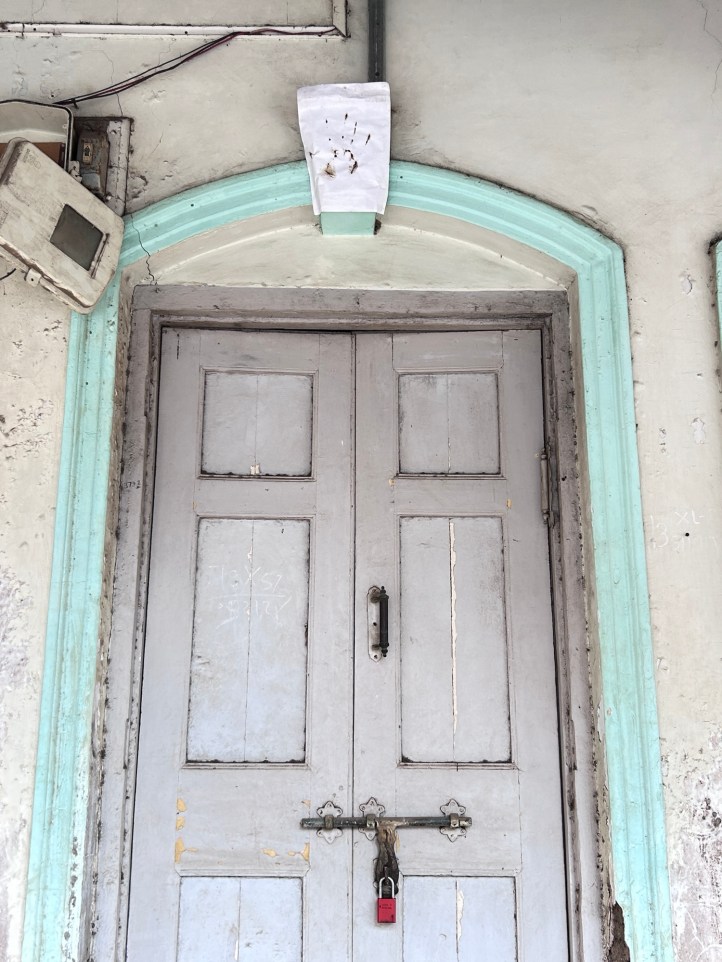
Magon Aboth Synagogue in Israel Ali
Going back to the early 1800’s the synagogue as it is seen today was built in 1910.
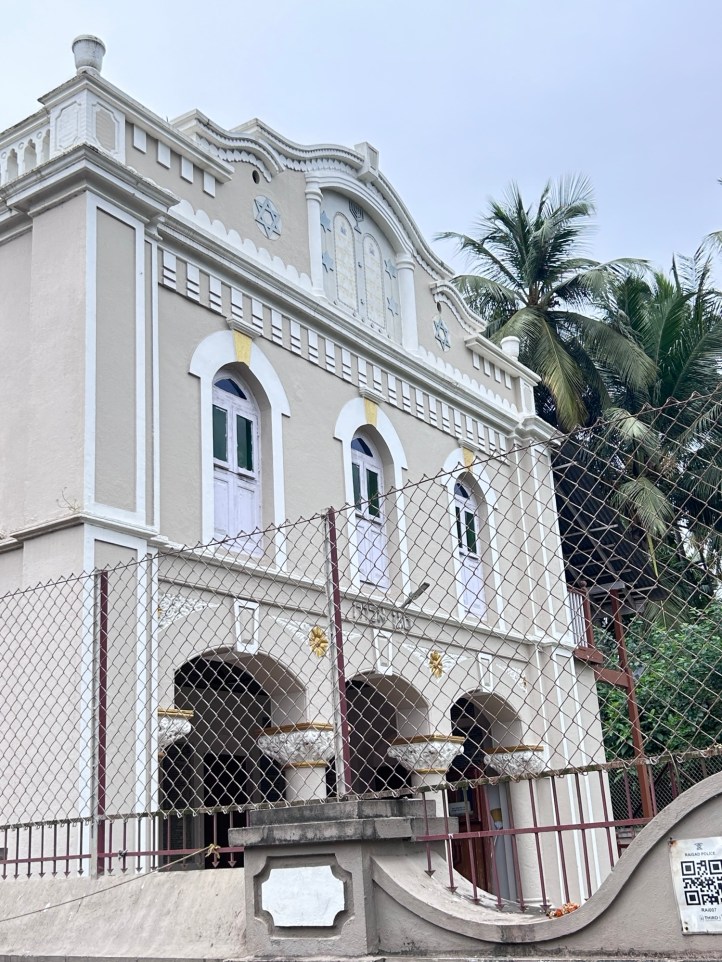
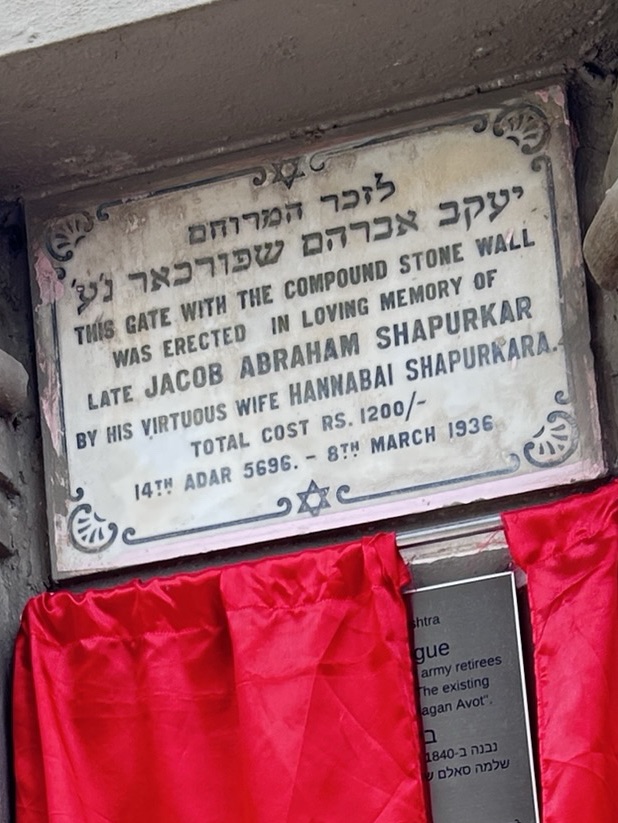
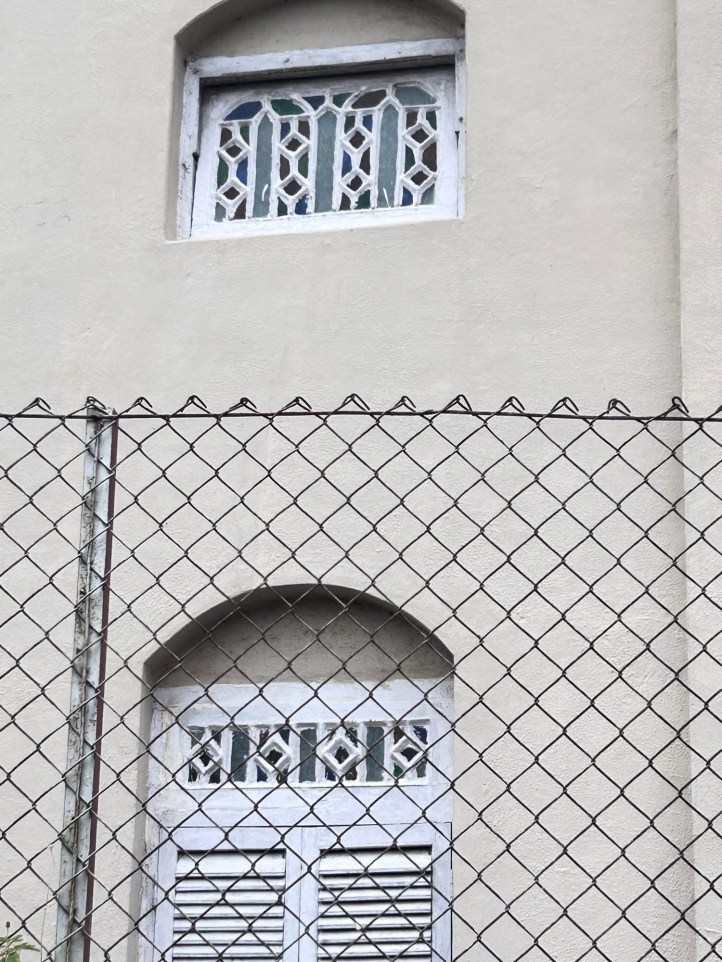
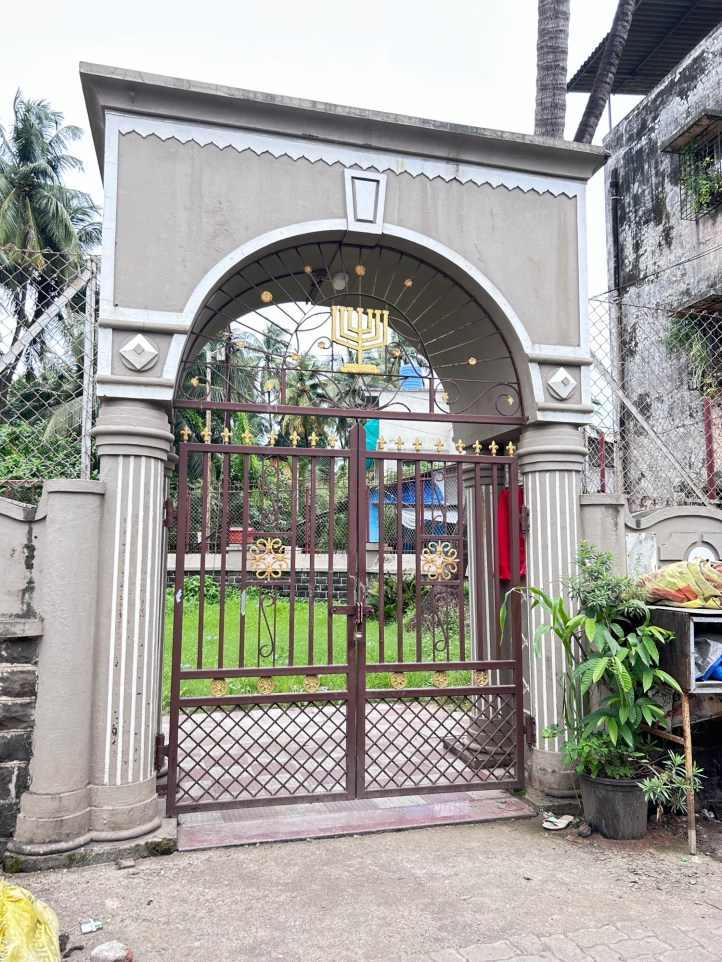
Though it is still active, it is closed to the public and one can only visit with prior permission.
Mrs B, my travel companion, was particularly intrigued by the Bene Israeli having had many friends from the community in her childhood.
Today most of them have migrated and very few remain. Yogiraj has two families still living in his village and he talks very fondly of his neighbours Benja and Abraham.
With his deep knowledge of Alibag and its people, he made me aware of many aspects of history that are normally given a miss.
Did you know, for instance, that the station MASJID on the Harbour Line gets its name from the Shaar Harahamim Synagogue, or Gates of Mercy Synagogue which was the oldest synagogue in Mumbai?
Watch this space for more on Alibag and beyond.
Till then
Ciao

 Twenty- five Seven
Leave a comment