• Image for Indian Quilt

    Quilts

    There are quilts and there are quilts.

    Thick warm cuddly quilts.

    Soft, cozy cuddly quilts.

    Quilted memories captured in bits of familiar  clothes.

    Or stunningly patterned pieces joined with care and love.

    Flat, simple, basic quilts.

    There are quilts and quilts and quilts

    Whatever the quilt, its basic function is to keep you warm and cozy so that you get an uninterrupted night’s sleep. A restful sleep that leaves you fresh to seize yet another day.

    The Indian quilt

    The Indian quilt , more often than not is a simple, basic quilt. It’s sole purpose is to just cover you up .

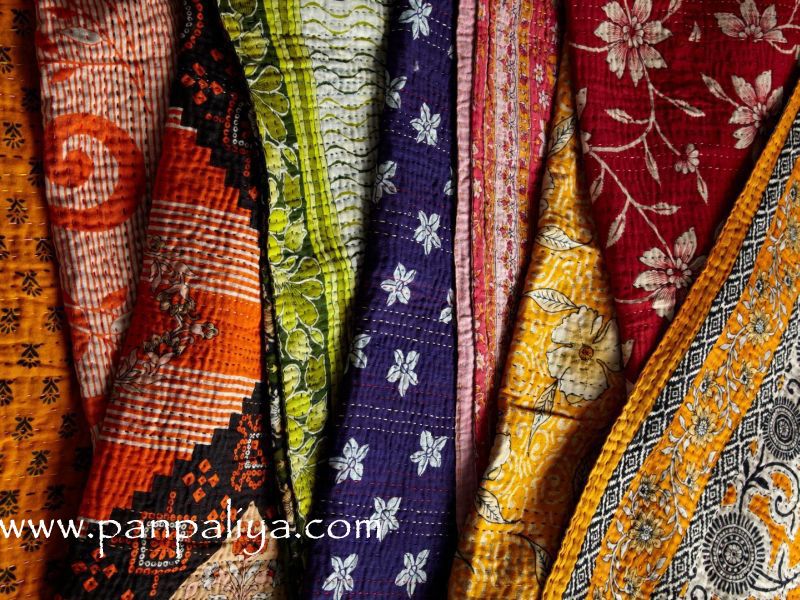
    Layers of cloth ( generally old saris) are laid flat and then quilted into place with a rough thread in running stitch. These ‘godhadi’ ( as I know them) are an  essential part of a baby’s traditional layette. And later on, the quilt gets bigger to keep you covered as you sleep.

    Since these quilts aren’t made of a stuffing or filling, they can be washed every other day! There is no fear of them not drying nor would it get bunched up and lumpy.

    How to make a Simple Indian Granny quilt.

    I remember seeing my granny assemble a quilt. Remember she used to wear a 9 yard sari so she had 3 more yards to play around with. Any ways, she would fold the sari adjusting the number of folds to get the required length of the quilt. The breadth remained constant. Since 9 yard saris are wider than the 6 yard ones, it also meant that the quilt was larger than the one you could make with a 6 yard sari.

    Well, after adjusting the size of the quilt, she would then add more saris to make the quilt thicker.

    Once she was satisfied with the thickness, she would take a fat long needle with a thick thread and hold the layers together with a running stitch. Following the shape of the cloth in straight parallel lines, she would stitch and stitch till the entire piece was quilted. And that was it. Without making  complicated patterns  with the running stitch.

    Funnily enough, this simple quilt, despite many washes would still hold her warm, granny smell. So that when we cuddled up in our beds, we could feel her presence comforting us.

    Other quilts too!

    In the Northern parts of India where the Winter still chills to the bone, the quilts are much heavier and elaborate. ‘Razai’s’ or ‘Dulai’s’ are fat, bulky and terribly warm. They are stuffed with cotton and covered with velvet covers. On top of the quilt ( at least in our home) we had another thin muslin cover that could be washed.

    I  love these Jaipur quilts that I dunk into the washing machine after the Winter months are over. Then I leave them out to dry in the sun, soaking up the warmth to keep us comfortable when the cold winds blow again.

    ~~~~~~~~~~~~~~~~~~~~~~~~~~~~~~~~~~~~~~~~~~~~~~~~~~~~~~~~~~~~~~~~

    Thanks for visiting and do stop by to see what R has in store for you tomorrow!

    Join me and hundreds of other bloggers participating in the #AtoZ Challenge 2017. You can also find me at #UltimateBlogChallenge #blogboost and @Blogchatter.

    Q

    Image for BellyBytes

  • The Paithani Tradition

    Image for Paithani
    Can you see the two colours pink and orange?

    If it’s P, it has to be PAITHANI.

    When I was a little girl,  I used to think the Paithani sari was rather  unattractive. It’s bold colours and booties were coarse compared to the fine, delicate Benarasi or the exquisite, rich temple saris of Kanjeevaram. But over the years, having seen them worn at various weddings, complemented by the appropriate jewellry, I realised that this sari can be truly stunning.

    The  sari gets its name from Paithan, a small town in Aurangabad district, but there are several other places where this sari is now made.

    Unique weave

    What I really love about this saree is the unique double shaded look known as “shot silk “. I also love the strong distinctive borders and brocade pallu with motifs inspired by the paintings of Ajanta and other natural elements. Here too, like many other saris,  the border and pallu are woven separately and attached to the main body of the sari.

    In the original sari,  the thread that is used for the borders, booties and pallu was of pure gold but today this would make the sari completely un-affordable. So modern weavers either use silver thread or silk thread that looks like gold.

    Meera Mehta an award winning textile designer who has revived this craft, showed me  her collection of saris that she had commissioned her weavers to make. These are truly unique , closely following the traditions of this weave using traditional colours and long forgotten styles. For instance :

    [Tweet “Did you know that a Paithani tradition was to weave in a saying or homily in the pallu ?”]

    If you do want to see her original works of art ( really they can be called that) you will need to make a prior appointment to visit her studio located in the bylanes of Mumbai’s Fort district.  This may be a bit of a fiddle, but it is definitely worth it.

    More affordable are the commercially retailed ones sold in almost every sari shop in India that keeps Bridal collections. Undoubtedly, the Paithani is an heirloom piece that should be in every sari wearing bride’s trousseau.

    Image for P


    Do any of you have a favourite fabric or weave ? Would love to hear from you in the comments below.

    What will Q bring? Watch this space tomorrow for another tradition of Indian textiles.

    Disclaimer : Once again, please forgive me for any errors or omissions. I am neither a textile designer nor a historian.

    Join me and hundreds of other bloggers participating in the #AtoZ Challenge 2017, #UBC #blogboost and @Blogchatter

    Image for BellyBytes

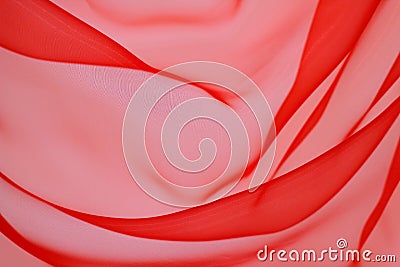
  • Organdy and Organza like the French chiffon and chamois silk , are two new entrants to the Indian Textile Tradition. Both these are man made fabrics. They are extremely fine and light. Translucent and sheer they bring a different magic.


    Organdy is the finest , sheerest and stiffest cotton manufactured. Unlike muslin, this fabric is not soft and limpy. It is machine made and  popular fabric for  dress making. There was a time when this material was a favourite because it remained wrinkle free and fresh looking even after a day’s wear. It was convenient because it provided the comfort of cotton without the hassle of starching the fabric! So yards of the fabric were used to make hand or machine embroidered saris. It was great for hand painted and block printed saris too.


                                                             source

    Organza on the other hand, is the sheer, stiff fabric made from Silk. More often than not, the fabric has a bit of synthetic fibre blended with it . This fabric is still very popular especially in Benaras weaves. Unlike the chanderi or maheshwari that can crease and crinkle, it remains stiff and firm all day long. It’s slight sheen gives it a luxurious look too.

    With that I’ve come to O the 18th letter of the alphabet. I hope you’re enjoying the journey so far.

    See you tomorrow with P and more traditions of Indian textiles.

    Image for BellyBytes

    Image for O

    I’m participating in the #A to Z Challenge 2017 and linking this post to #Ultimate Blog Challenge’s #blogboost and #Blogchatter.

Design a site like this with WordPress.com
Get started