It is that time of year when you feel Christmas cheer wherever you are in the world.
Sharing some Christmas greetings I received from my friends this morning .
And finally a capture from my own Christmas tradition of seeing the decorations at the two iconic hotels of Mumbai with Ms Papaya to wish all of you my readers a Happy Christmas
The end of the year looms near as does the shadow of the dreaded virus .
I hope that all of you are safe and healthy to welcome the New Year .
Are you one of those people who is affected by the seasons?
Does Winter make you gloomy and depressed?
SAD or Seasonal Affective Disorder is a syndrome that affects many people during Winter. It makes them depressed and lethargic because of the short days and insufficient daylight.
I remember feeling extremely sad and out of sorts during my winter stay in New Jersey. The Scandinavians have a word for fighting the Winter Blues: HYGGE which translates as coziness. Actually, this is an attitude they live by all year round, but it is particularly applicable in the winter when scented candles, exotic teas, warm blankets and crackling fires create an atmosphere of warmth while the pretty snowflakes fill up the darkness outside. Sadly none of this could shake off the mild depression that had gripped my mind. Recently I experienced this in a mild form during my recent trip to the North East when the darkness would suddenly descend at 5.30 pm. Within seconds I could feel my energy drop and a sadness grip my heart.
Could it be because of the mental trauma of the last few months of CoVid?
But today, back in Mumbai, even though it’s Winter, I’m not sad.
And here are the reasons why :
The weather in Mumbai is only marginally cooler than normal. So while the rest of the world where winter is real, my Seasonal Affective Disorder is not one that leaves me sad. On the contrary,
Winter in Mumbai actually makes me glad.
I am glad because the flamingoes are back.
Did you know that these birds visit Mumbai every Winter? You can see them at the Sewri Flats.
This is also the season when the migratory seagulls normally stop by Mumbai on their way to Siberia. At one time you could see them lined up in the Marine Drive sea face mid-morning or even flapping around the Gateway or Chowpatty Beach waiting for scraps of food to come their way. Sadly this year we will miss them with the construction work on the Coastal Road in progress.
I wonder if they will ever return to Mumbai considering that most of them were hooked on to the ‘gathia’ fed to them by the local populace.
Winter Wardrobe
When I see the Tibetan Sweater sellers, down at Nana’s Chowk, I know it’s time to bring out my Winter wardrobe. I can hardly wait to bring down all those gorgeous scarves and shawls waiting in my cupboard.
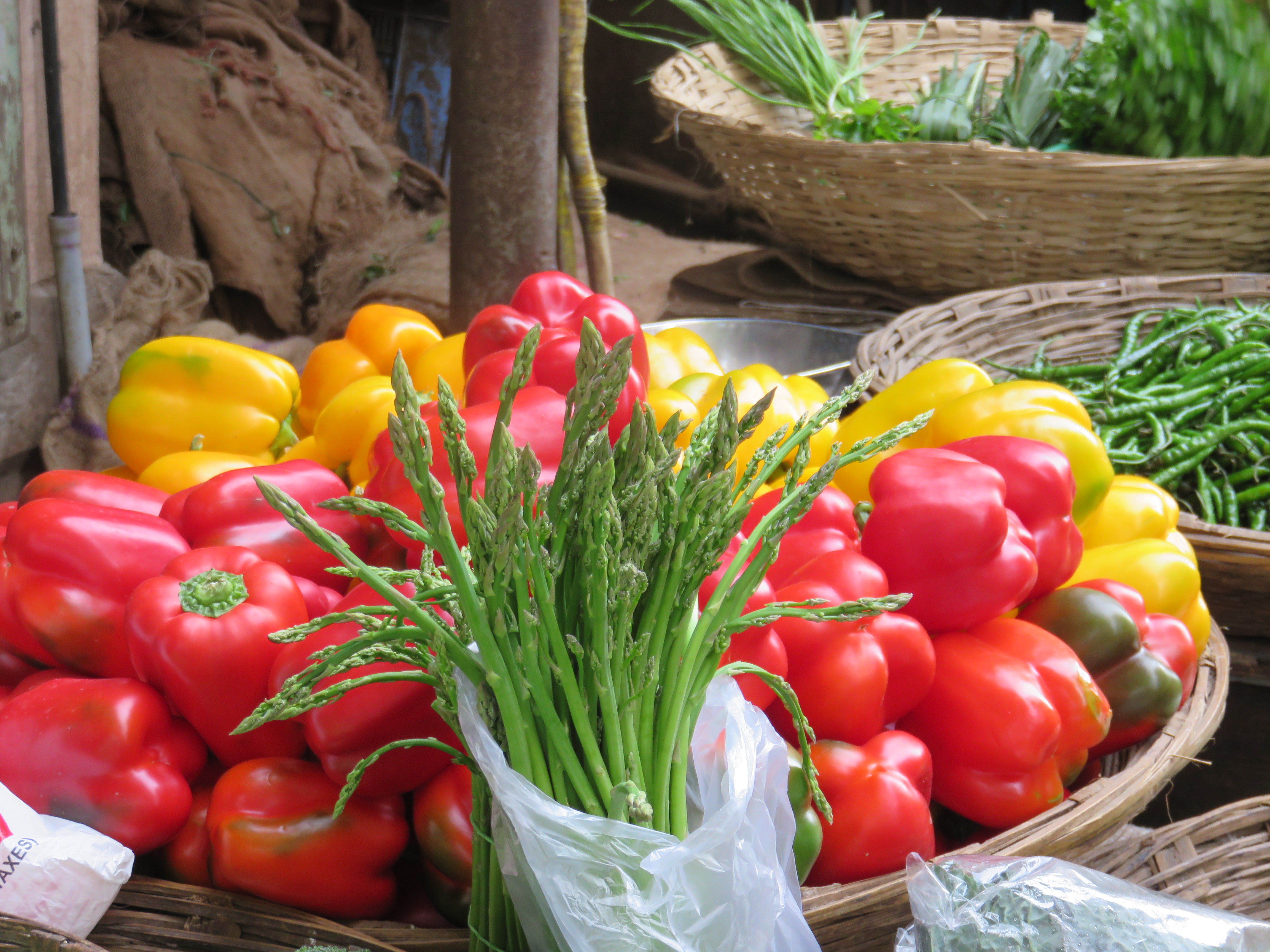
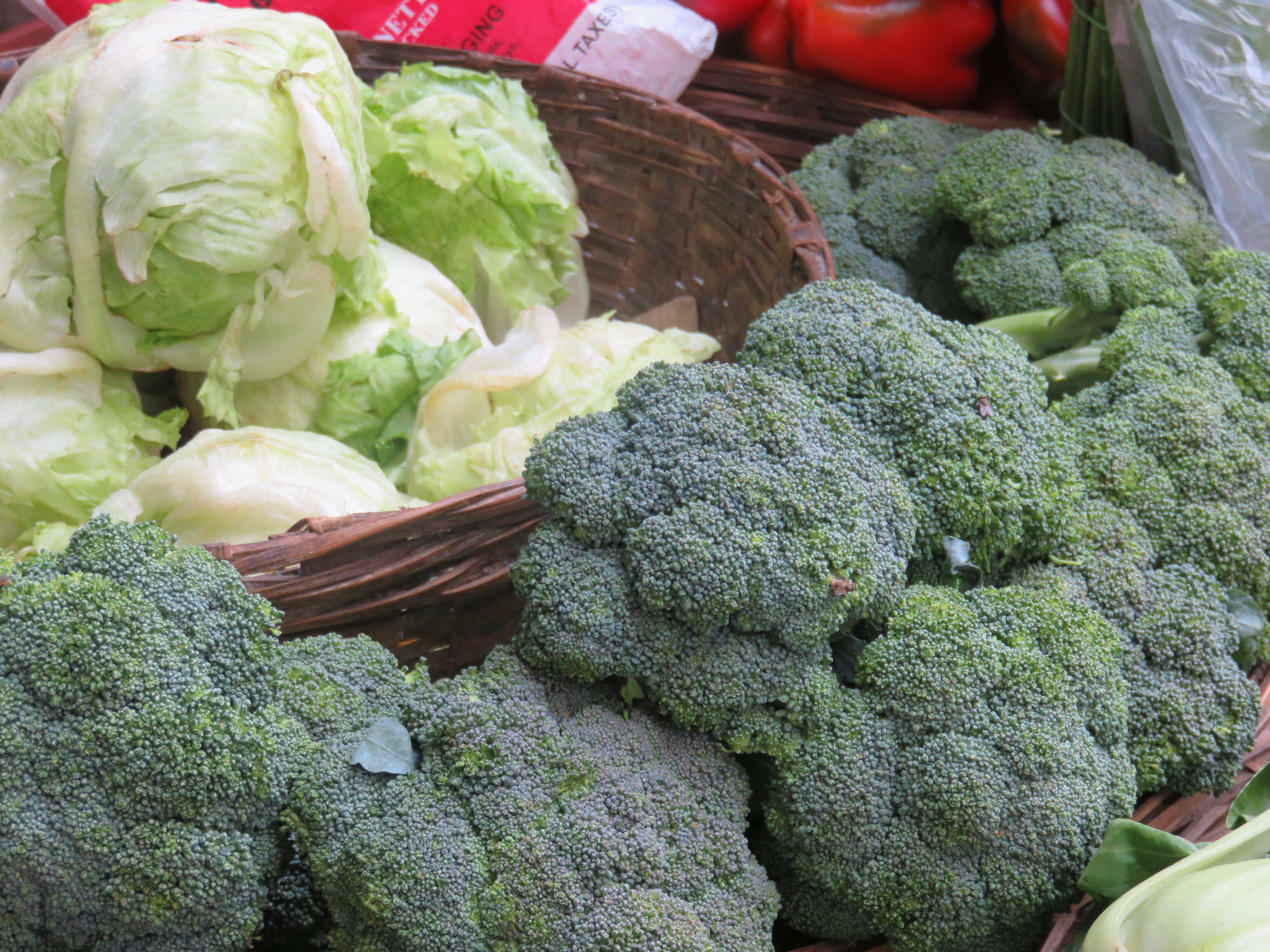
My favourite shopping destination Bhaji Gulley is full of tempting seasonal greens like green garlic, and mustard leaves. It’s also time for vegetables like kohlrabi, green peas and beets to find their way to my table.
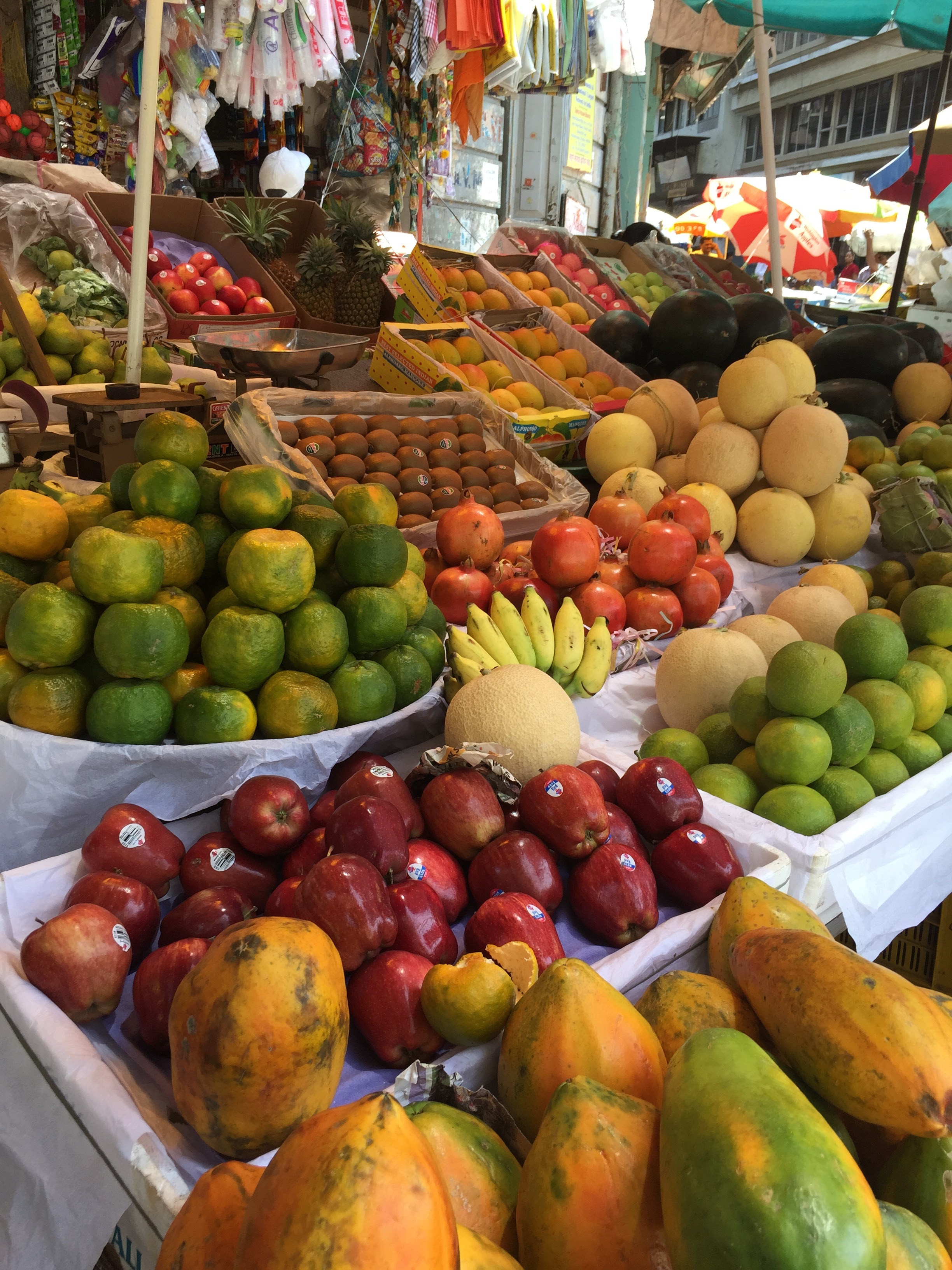
And as for fruit: there are tonnes to choose from. You can grab a juicy orange or two or a basket of fat, strawberries. This is also the time for the sweetest melons, chickoo and grapes.
Winter Rendezvous
Winter is the time when overseas visitors come home. Their brief visits mean hectic socialisation which translates into party time with friends and family. This year, however, things promise to be different because of …………you guessed right CoVid
So I am glad for the Winter
because my life is full
With cups of hot tea
And fresh juicy oranges.
Naps in the sun
Cuddles under blankets
Hazy, chilled mornings.
And stiff evening breezes.
Are you glad it’s Winter?
What do you do to make yourself happier during these short days.?
One of the joys of a Monday morning is going to the vegetable market in my neighbourhood. It seems a strange fascination but I actually love going to this narrow and extremely crowded street towards Grant Road station called Bhaji Gulley. Regular shops selling laces and sewing material, grocery stores, a small bakery, a liquor shop, shops selling garments and of course the street vendors selling vegetables, potted plants, house cleaning equipment, items for worship, spice merchants and even the odd rat catcher, office goers, vagrants, school children, houseboys and regular housewives vie for space in this higgeldy-piggeldy lane.
Colourful umbrellas and crooked makeshift awnings protect the vendors and their wares from the sun (and the rain during the monsoon). But nothing can contain the unabashed enthusiasm of the hawkers as they call you to buy their wares.
On days like today, when the mild morning sun actually makes you feel it’s winter, it’s a treat to stroll love through the bazaar, smelling the freshness of the winter fruit and soaking in the vibrant green of mustard leaves, sour spinach, feathery dill, fat beans bursting at the seams. heaps of pea pods that are filled with tender green peas.
The fruit seller had two kinds of apple : the robust, juicy red Washington variety that tempted poor Snow White and its Indian cousin, the Kinnaur variety that is less tart. But its soft, almost powdery soft pulp is easier for my fragile and brittle teeth so I went for them instead.
Apart being local and therefore healthier( according to all the dieticians ) the Kinnaur is grown in Himachal Pradesh. Like all apples, it is rich in Vit C, has a low glycemic index and consequently good for diabetics and weight watchers. It also prevents Alzheimers ( so they say).
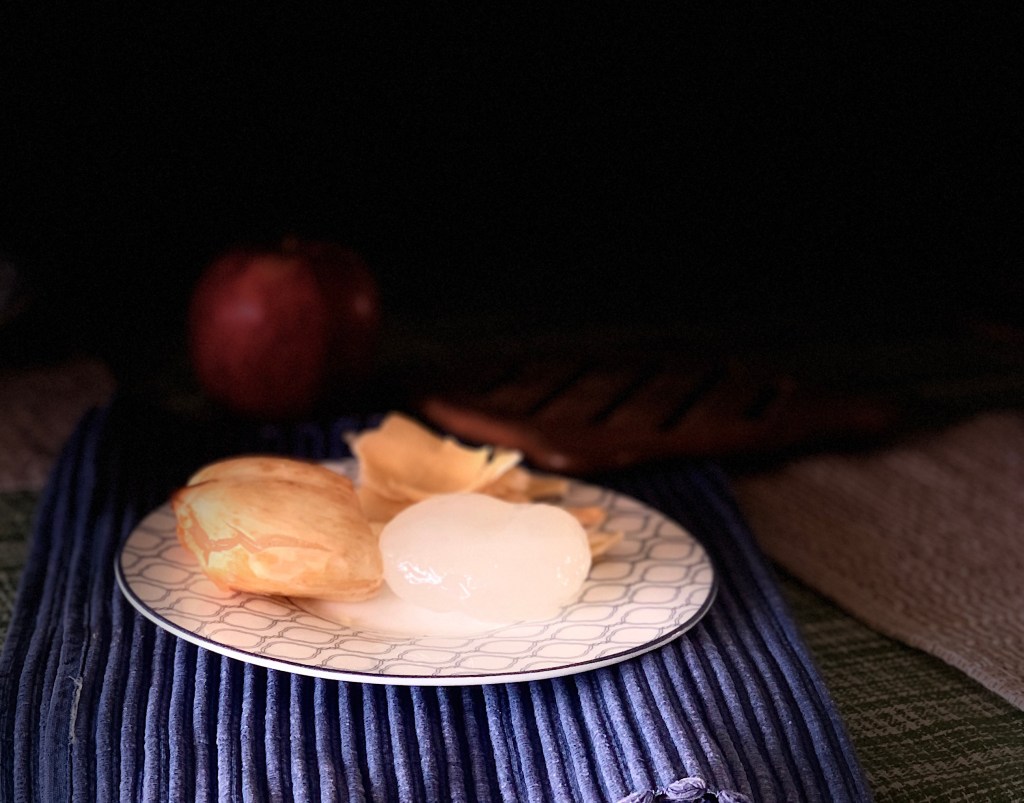
On my way out, I found a small heap of Ice Apples and bought a few for my mum in law who loves this fruit.
Did you know that ice apples or tadgola grow on coastal palms ?
Actually this is a summer fruit and is a great thirst quencher with its soft wobbly inside pocket filled with sweet juice. But ma in law loves this fruit and it is soft enough for her to eat it. Besides, it has other benefits too.
Naturally, it is good for health and will slow down her ageing process. It will also boost her immunity and help her digestive system to work more efficiently.
This is actually quite an acquired taste so if you do want to try it, I suggest you go for it one piece at a time.
At any rate, don’t forget to have an apple a day to keep the doctor away!