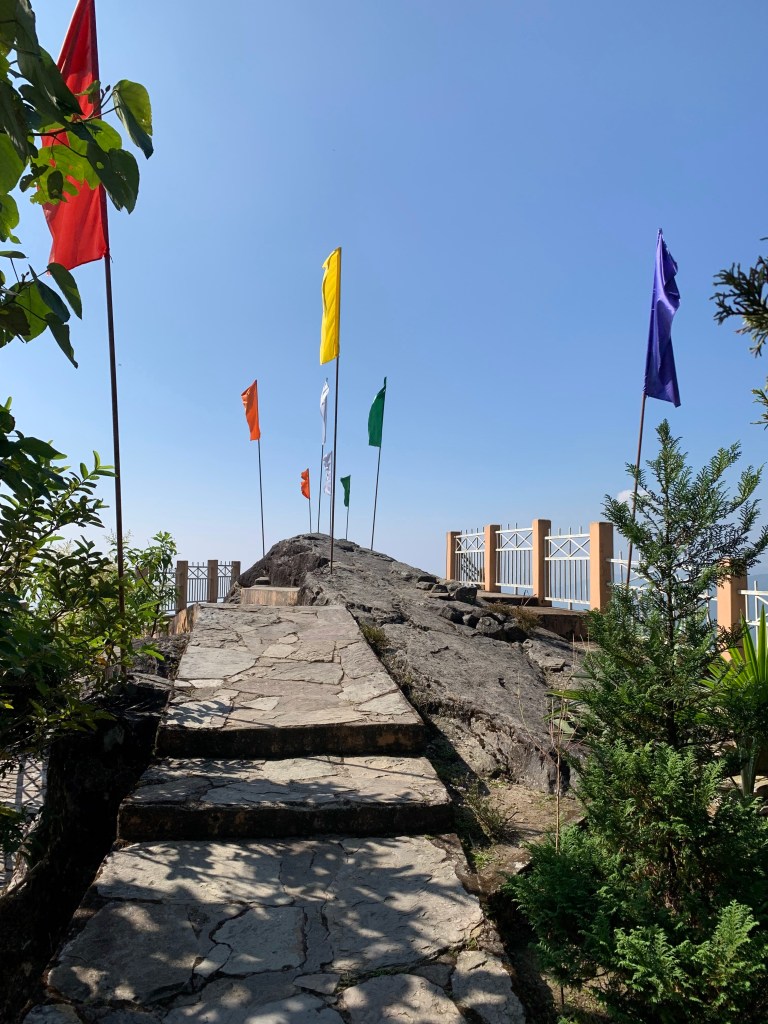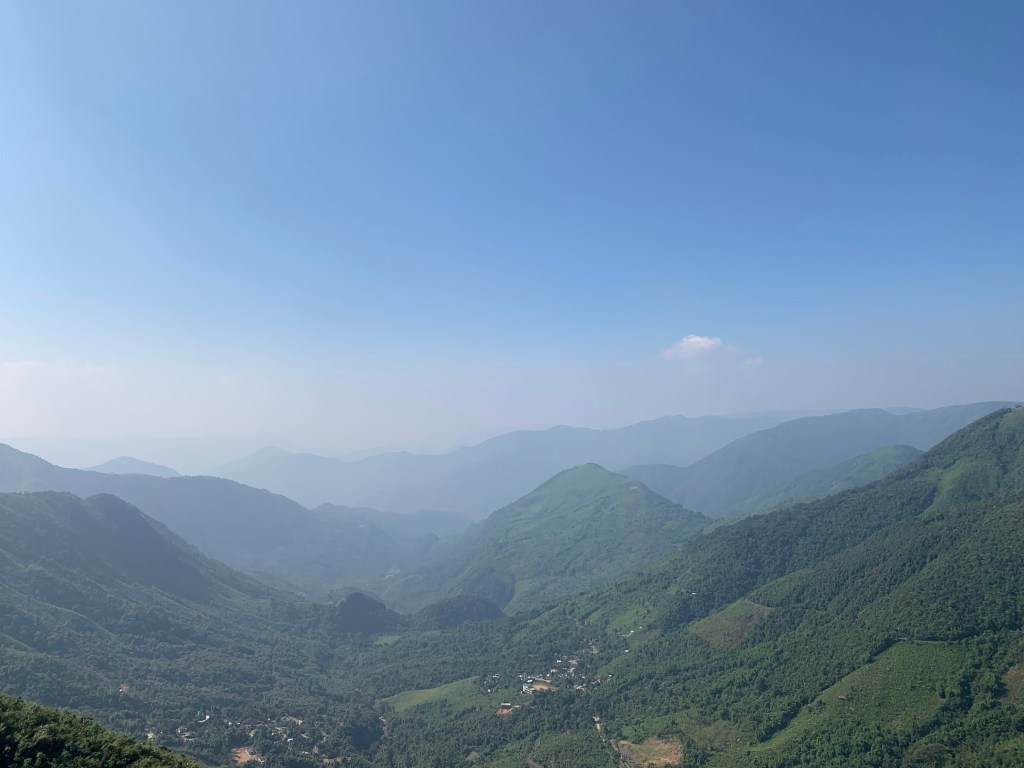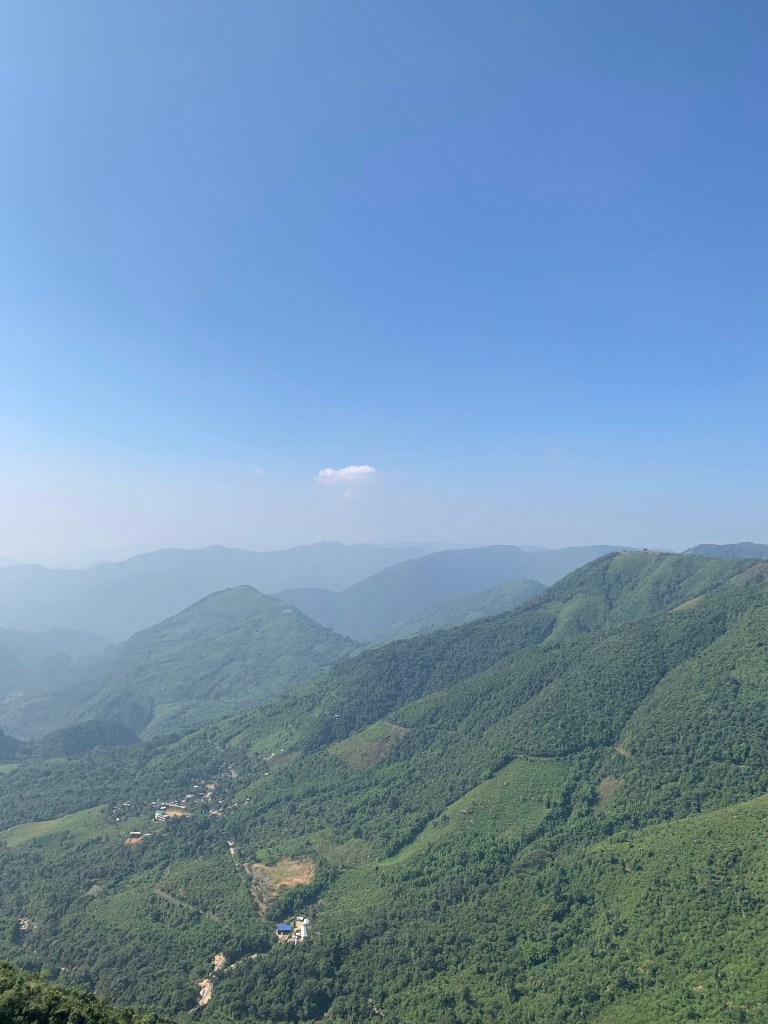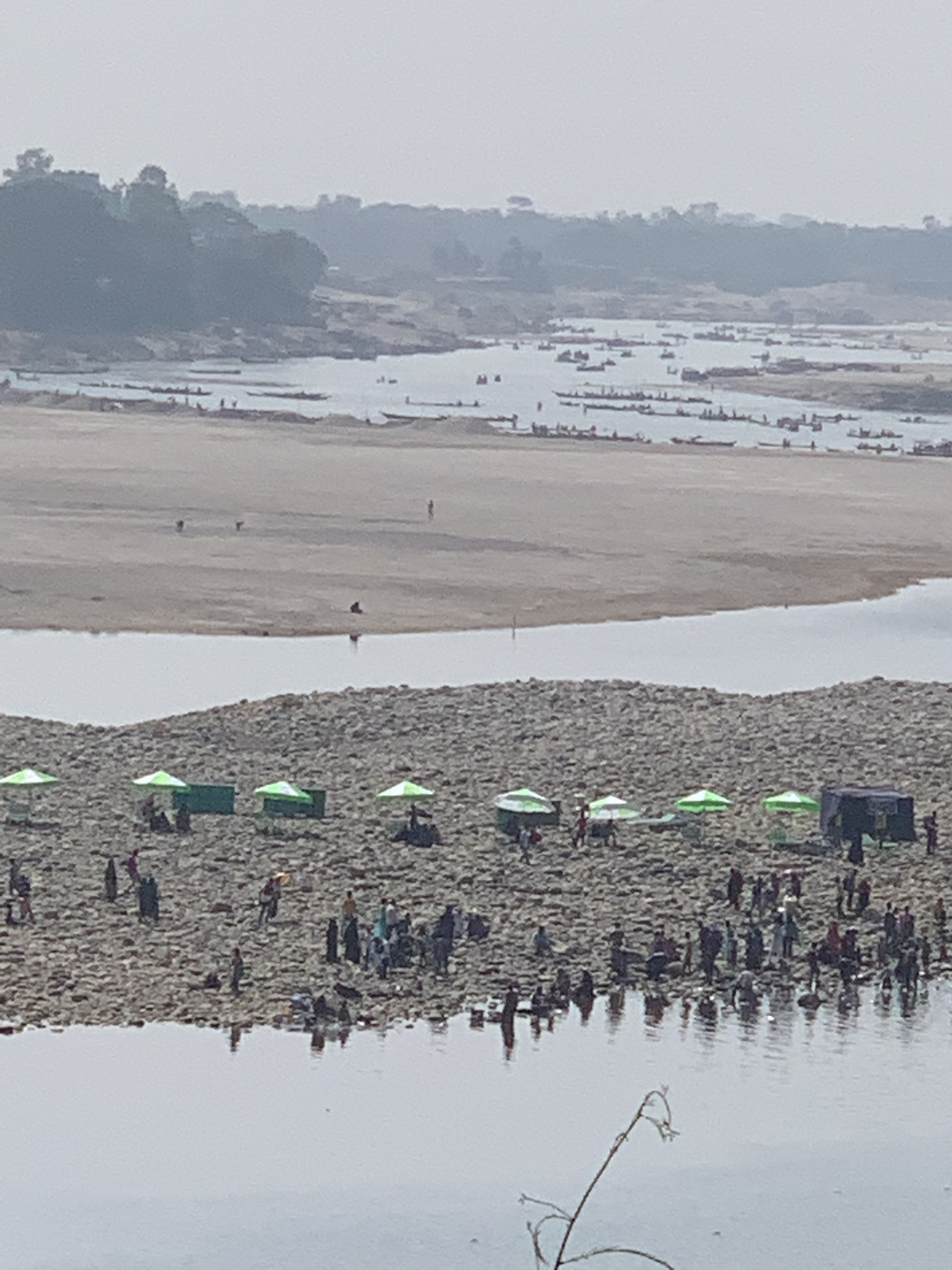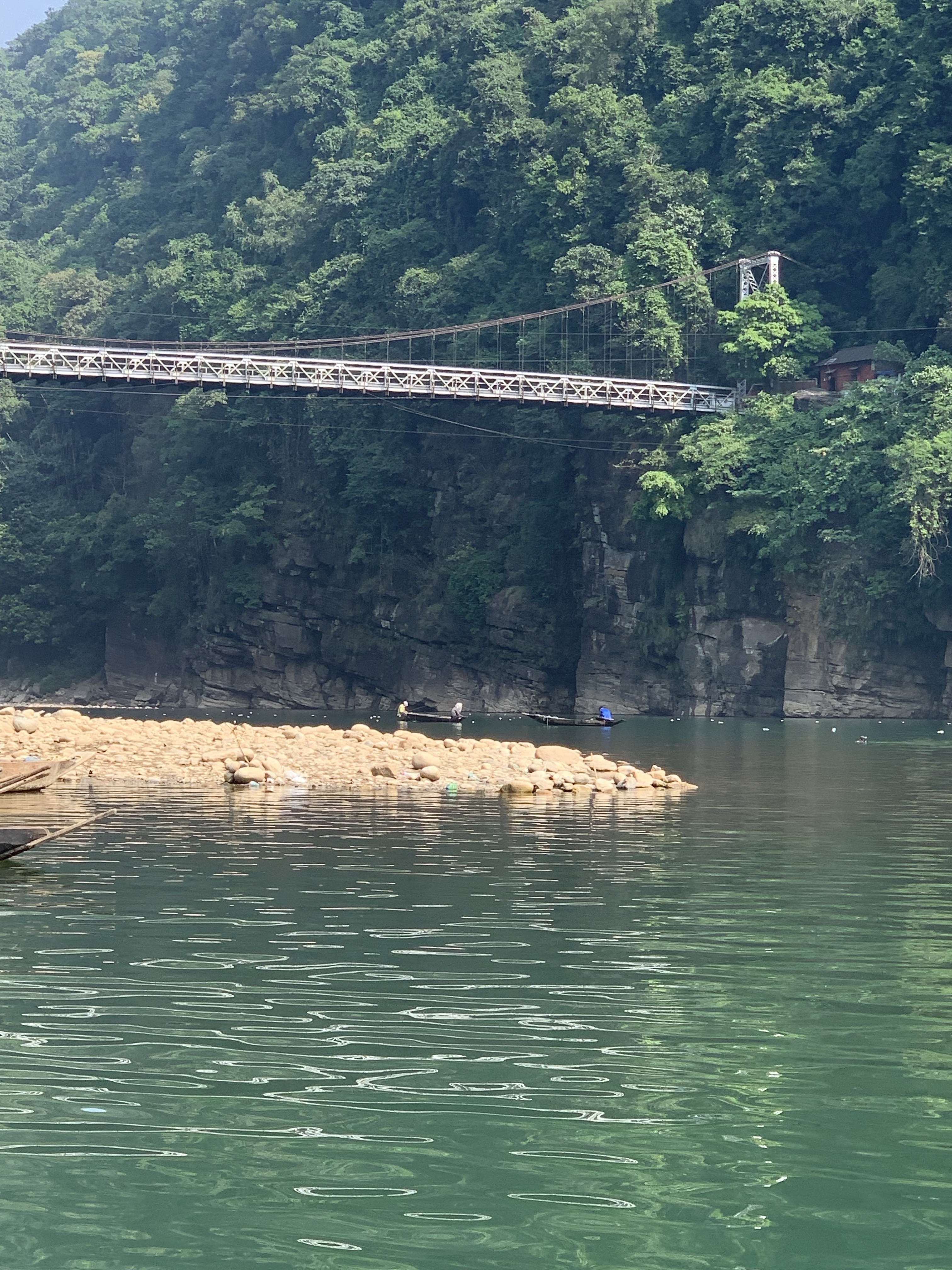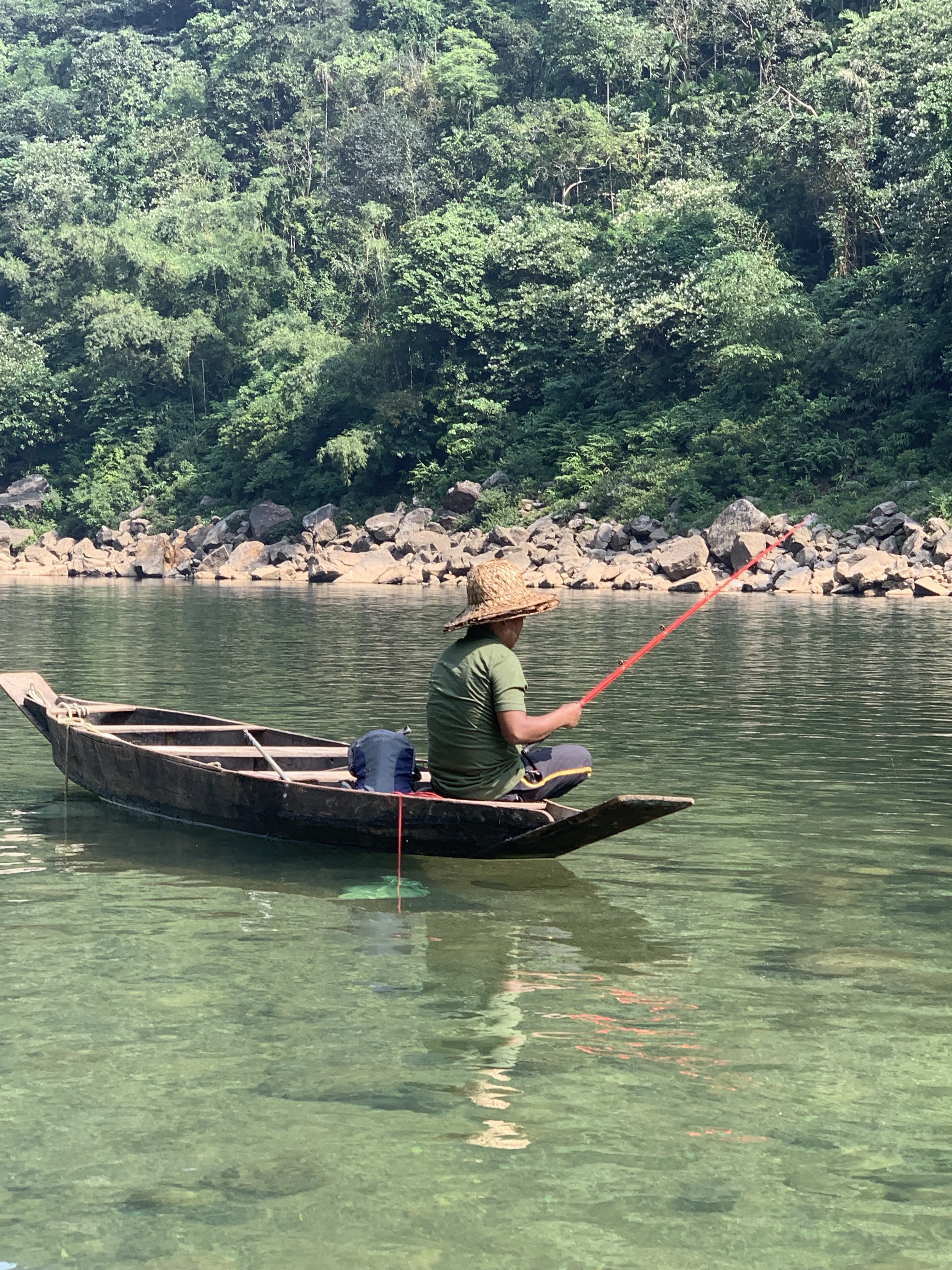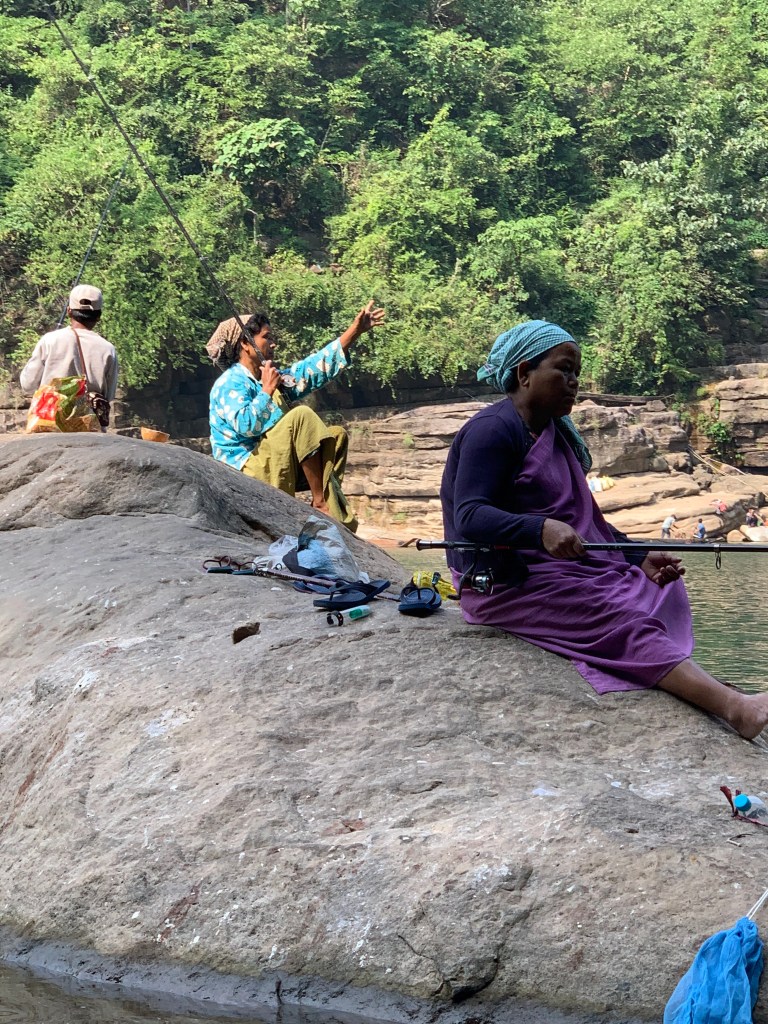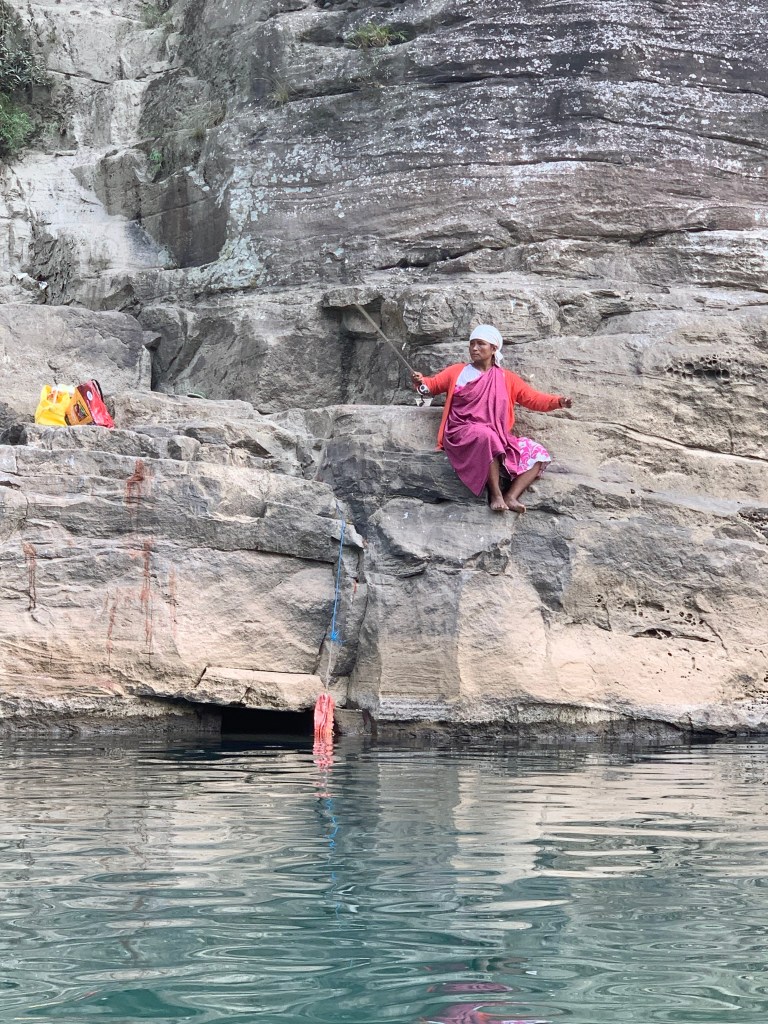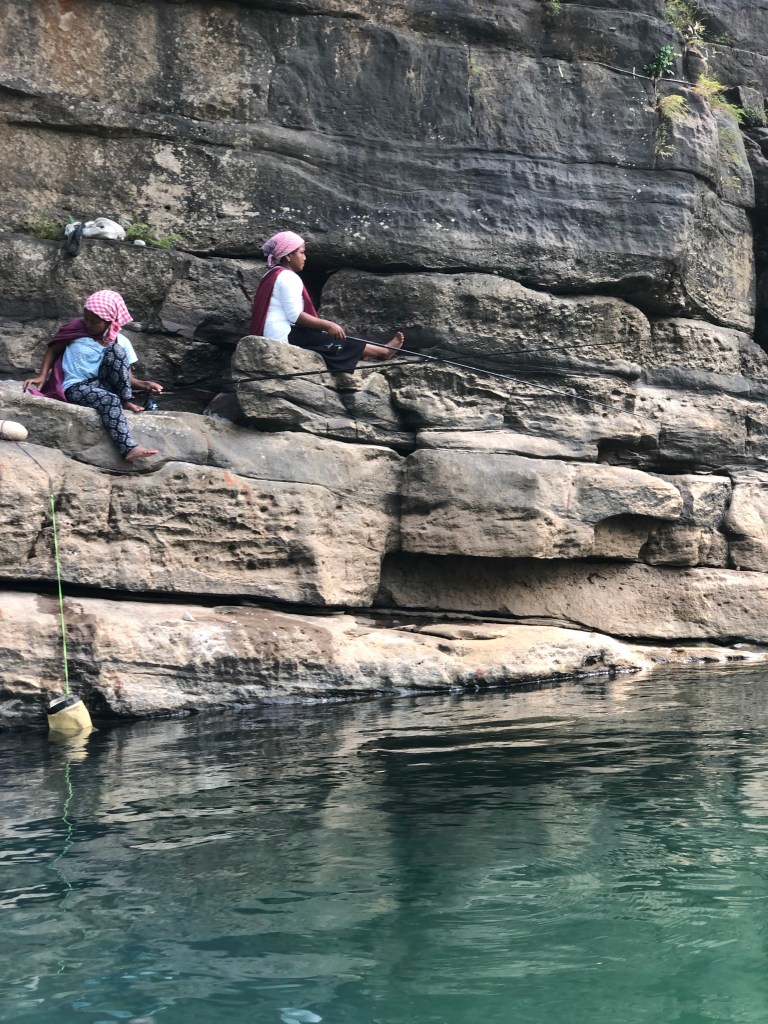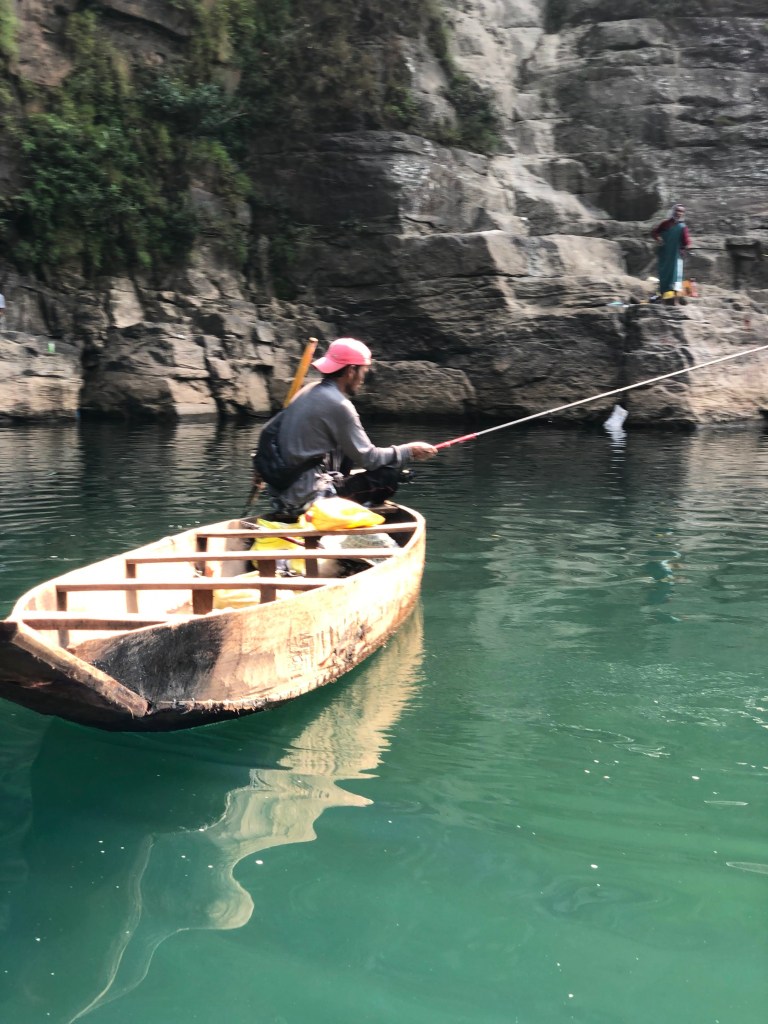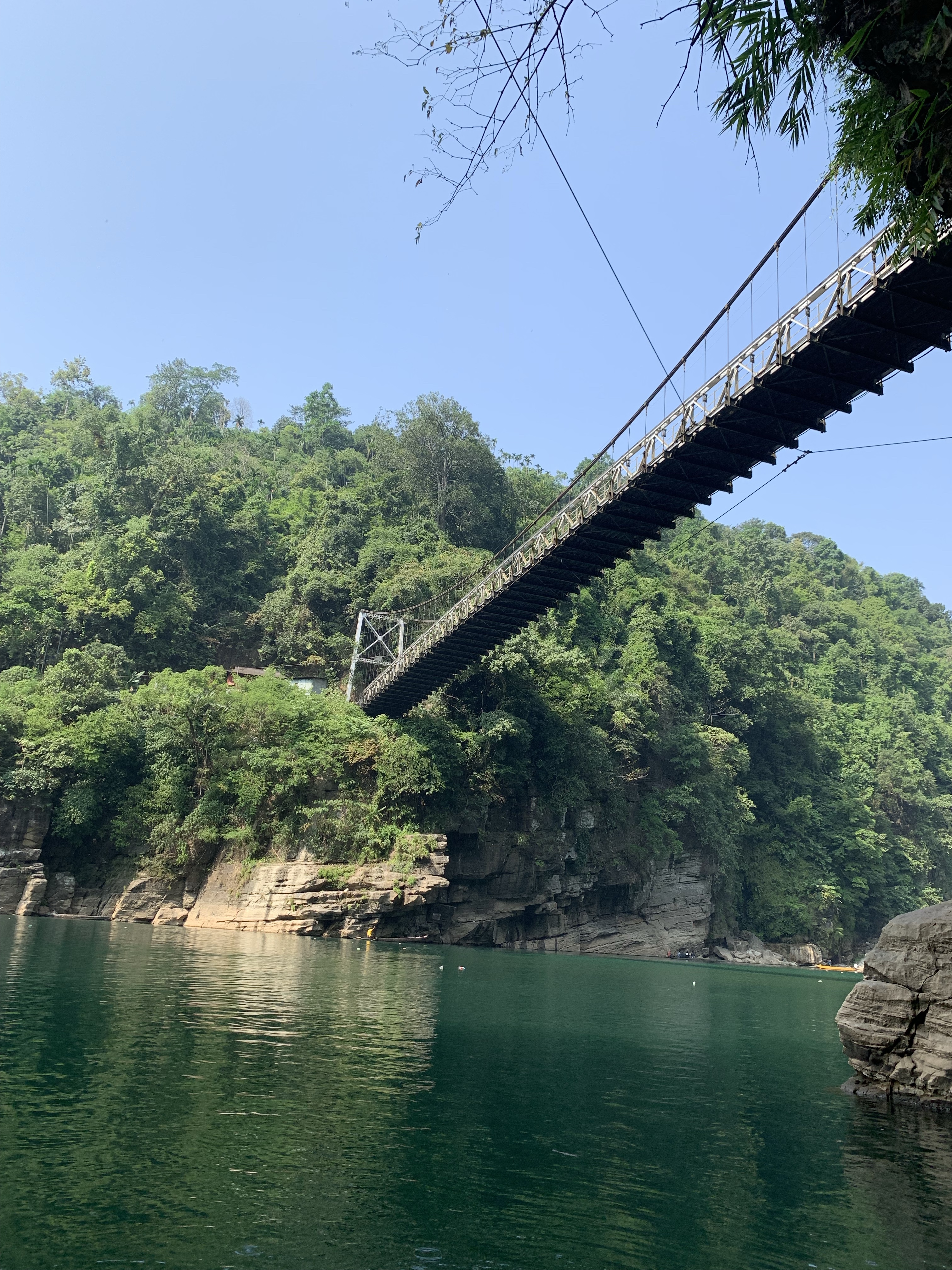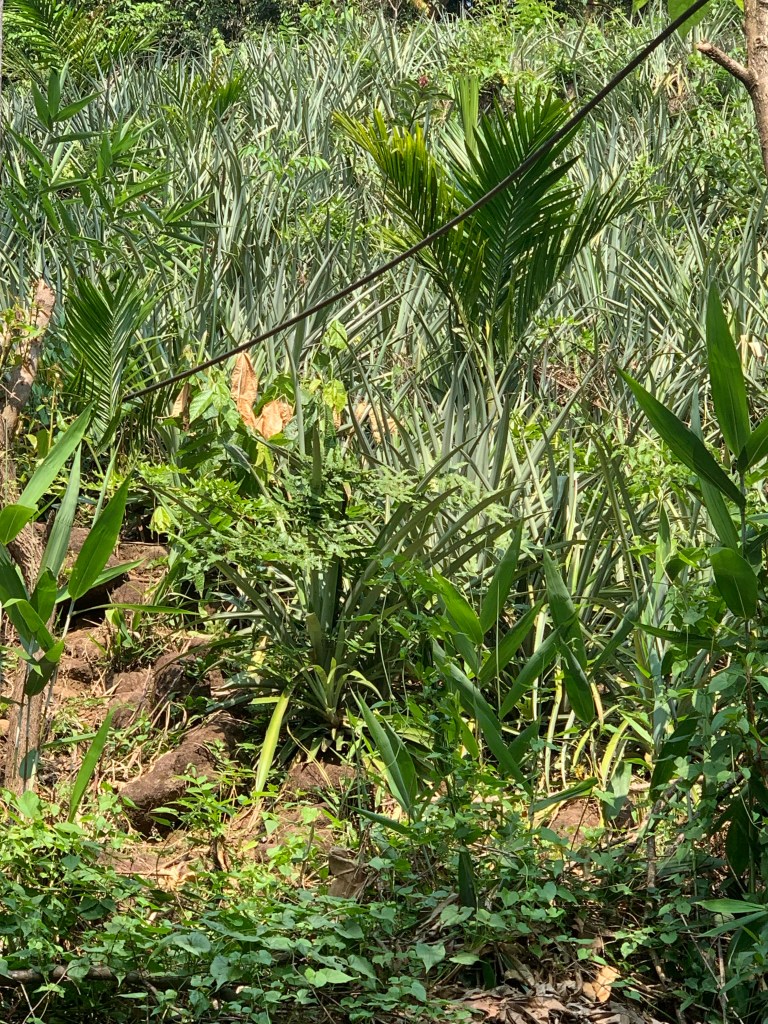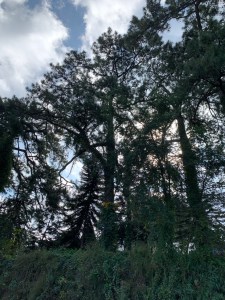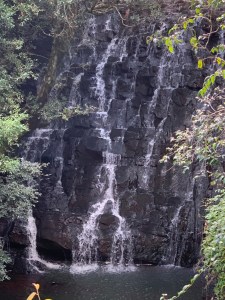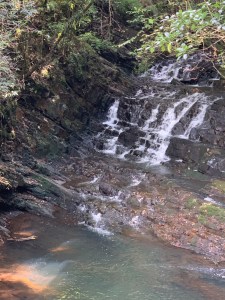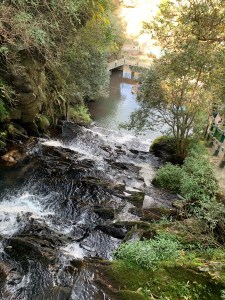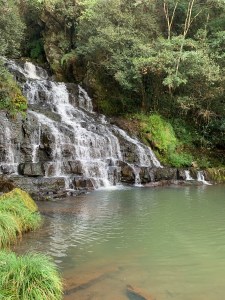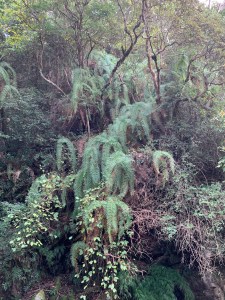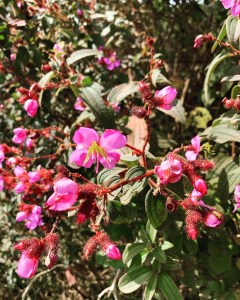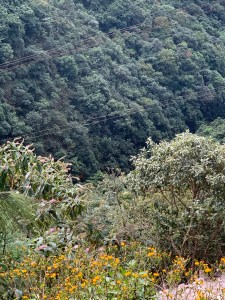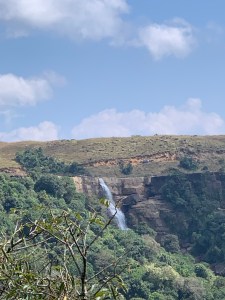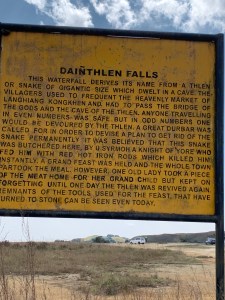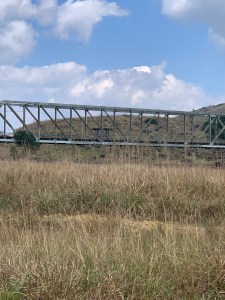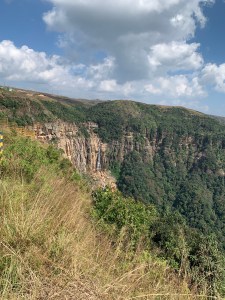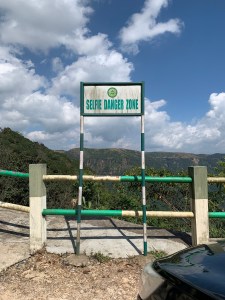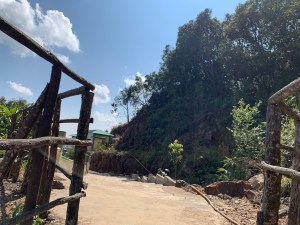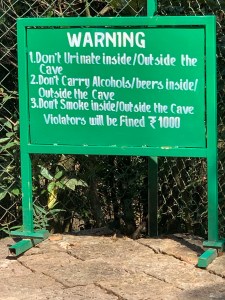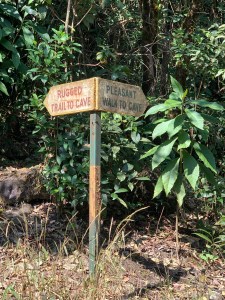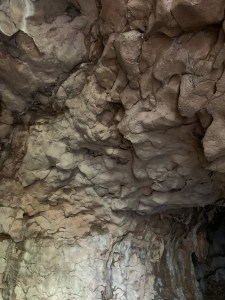
• After visiting the Scotland of the East we made our way to the erstwhile wettest place on earth : Cherrapunji. But before that we stopped at the magical Elephant Falls in the midst of a conifer forest .

    The Elephant Falls is so named because of the original elephant like rock at the bottom of the fall. Sadly, an earthquake destroyed the rock formation but the falls remain.

    The fresh scent of pines and the cool green forest compelled me to take in deep breaths and I finally appreciated what was meant by Forest Bathing.

    There is nothing as restful as breathing in the forest air, enveloping yourself in it’s comforting embrace

    Regrettably, we couldn’t spend more time in the forest paradise as we had to make our way to Cherrapunji to see the caves and waterfalls that Meghalaya is famous for.

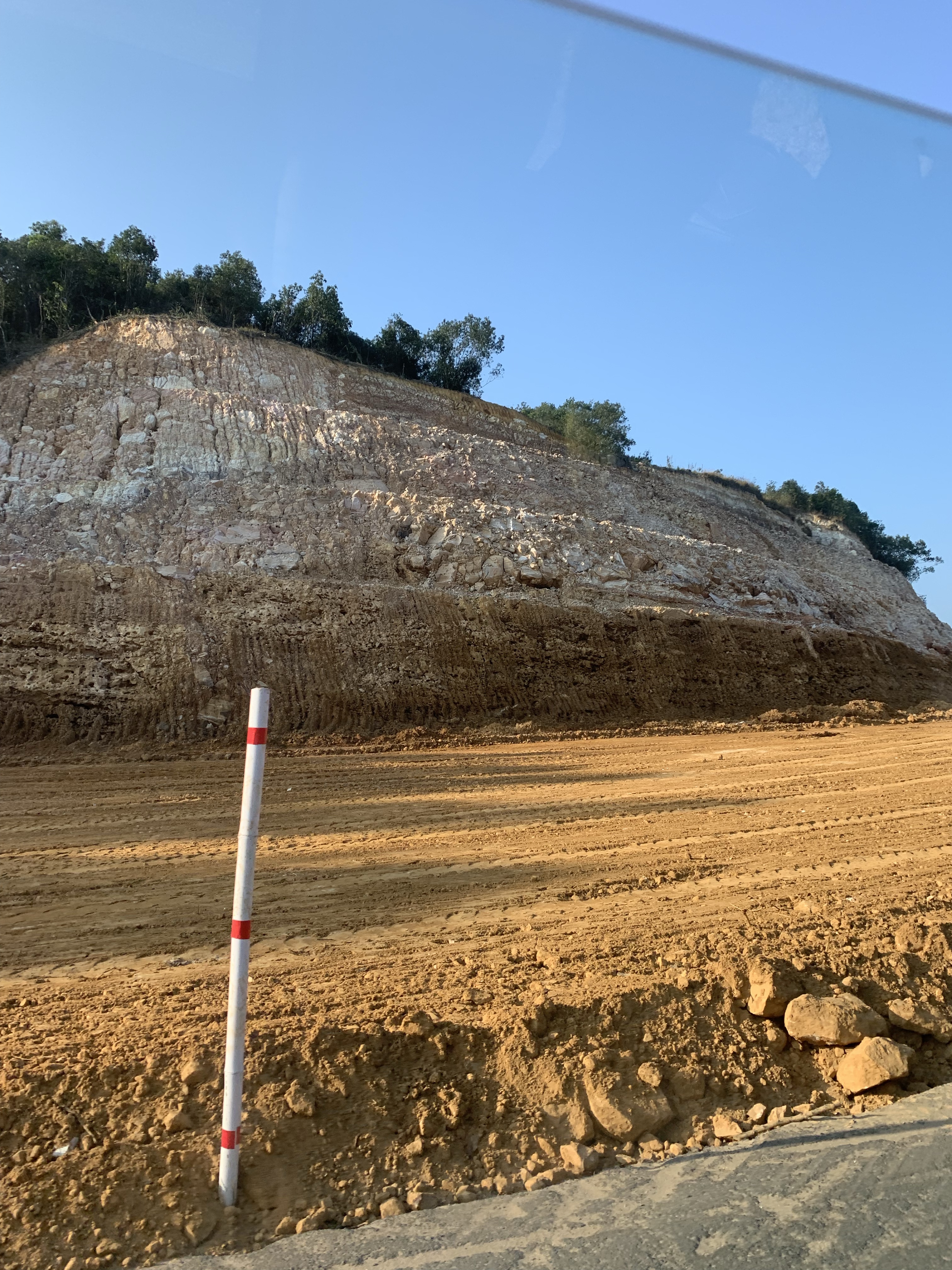
    Ever since Class 8 when I heard about Cherrapunji I was intrigued by the name and the reason for its claim to fame. I always imagined it would be lush with green and was totally disappointed to see the brown scrubland almost desolate with its quarried landscape.

    Prima Donna consoled me with the fact that an American blogger who had visited this place had mentioned in his blog davidsbeenhere that this part of the East Khasi hills reminded him of Lesotho, so I could take comfort in the fact that I had visited Lesotho as well ! Poor comfort indeed.

    Did you know that one of Meghalaya’s exports was sand ?

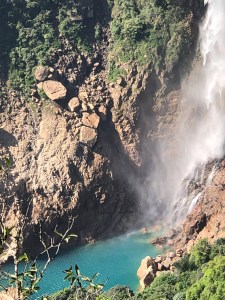
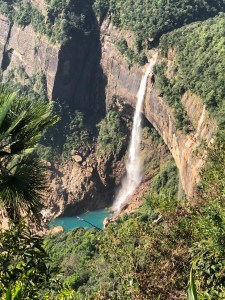
    I thought that the raging waterfalls that we were going to visit would make up for the brown scenery but was shocked to find that they had become a mere trickle !

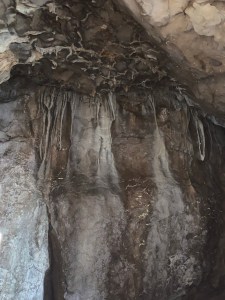
    Prima Donna bravely and boldly marched into the Arwah caves, but I was wary of the water dripping through and the slippery rocks. While I waited for her, I met up with another lady who was also waiting for her guests. She was a young Khasi who had lived in Shillong all her life and used to come often with her cousins to play around in the caves. It was only in the last 15 years or so that denudation, deforestation and climate change have played a large part in the browning of this once green and lush area. Luckily, Mawsynram in the same district is now the wettest place on earth.

    The caves were fascinating but frankly I get claustrophobic. Infact, at the second cave at Mawsmai we didn’t even attempt going inside when a returning visitor told me that a tiny space inside would definitely not accommodate someone my size.

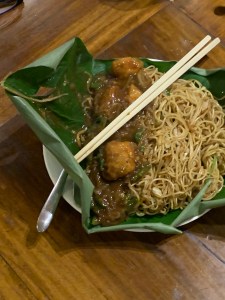
    So taking advantage of this stop, we indulged in our rumbling tummies with some local momos before heading off to Naokhali.

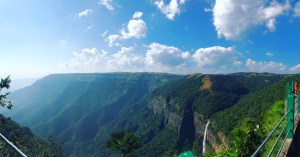
    We did go up to the lookout point and much to Anil’s disappointment , turned down the offer of going right down to the bottom even though the road was bare 5 km long.

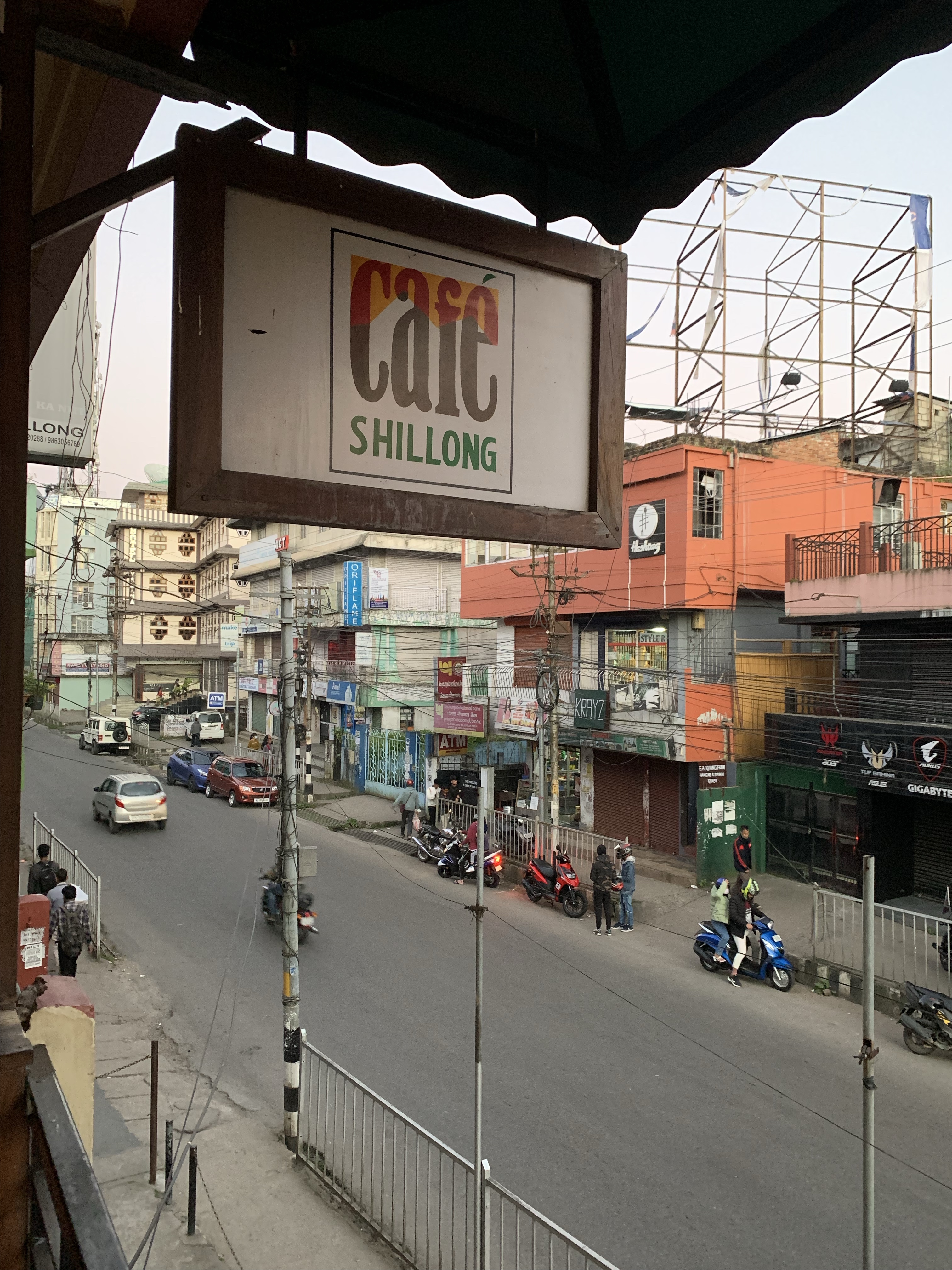
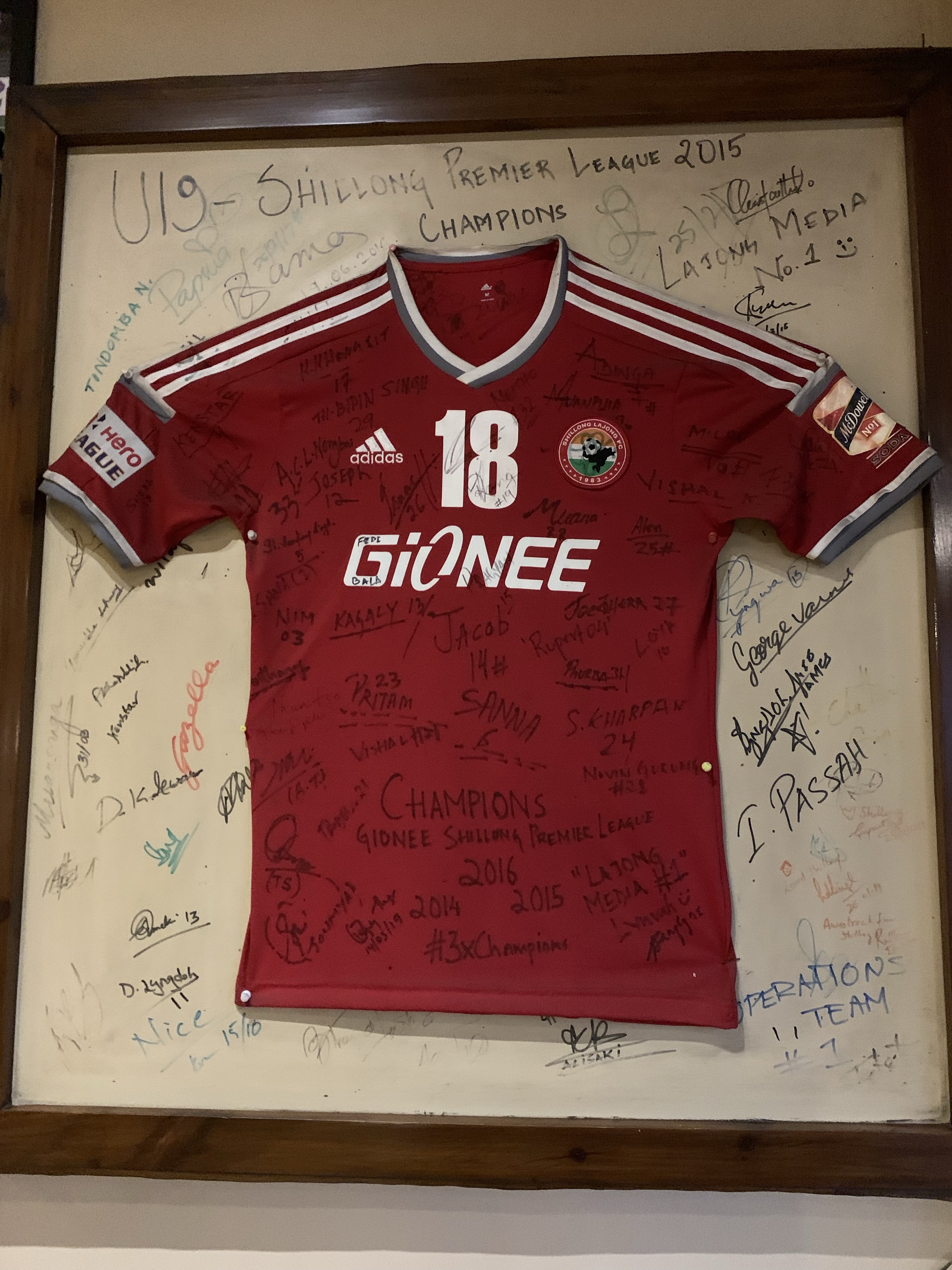
    On our return back to Shillong we wanted a flavour of the everyday modem Shillong so we stepped into a popular local hub Cafe Shillong.

    The cafe was pretty happening when we arrived but within minutes we were the only people left .

    We soon discovered why : darkness descends by 5 pm and with no street lights, it is best one gets home before dark !

    Ciao

  • Travels to the North East : Shillong and beyond

    The initial start of our night halt at Shillong was a bit of a disaster.

    It took us over an hour to travel the last km to the hotel which was situated right on top of the Bara Bazar. Hotel MCrown is beautifully located for those who want to see the bazar which is famous for its vendors who are solely women. But we weren’t really interested in the local market which seemed to have the standard stuff you find in all Indian street shops. Besides the market had many male vendors too so this was not an attraction anymore. Honestly, I would not recommend this hotel to those who want some peace and quiet. Moreover should you have no option but to stay here, I would strongly recommend arriving there during NON PEAK business hours because the traffic I experienced here was by far my WORST TRAFFIC EXPERIENCE ever.

    However, after the stop at Umian Lake ( Bara Pani) and the seven storey hike up the DonBosco Tribal Museum we were quite hungry and wanted to have a substantial local meal .

    The girl in the front office of MCrown told us about the Trattoria a hole in the wall just around the corner.

    And a hole in the wall it truly was. But it made for a fine dining experience. By the time we reached, most of the stuff was over so he gave us a Pork Combo where we literally pigged out on some local fare.

    The restaurant itself had three rows of seating facing one way only. Each row had two benches along the aisle and each bench seated three.

    We made a cursory round of the Bazar since it was literally hugging the hotel but we’re quite unimpressed and scared of venturing deep into the crowd because of CoVid.

    So luckily the early sunset made it easier for us to call it a day and we decided to loll around in bed and watch as much free TV as we could manage!

    Ciao

    P.s. the Don Bosco Museum of Indigenous Tribes is really a well-curated museum. It encapsulates the history and culture of the tribes of the North East. And the view from the top is worth the winding walk on the top of the roof!

  • Travels to the North East : On to Shillong

    Hotel Gateway Grandeur proved to be a disappointment. The beds were decidedly lumpy and the lurid red velvet bedspread, shabby golden lampshades and musty smell didn’t reassure us. But that didn’t dampen our enthusiasm to explore a little more of Guwahati before we set off for Shillong .

    Our introduction to the North East began with a dinner cruise on the Alfresco Grand sailing down the Brahmaputra. While we sailed, we were entertained by the Bihu Dancers . We also got a run down on the brief history of Assam , the legendary warrior Lachit Bhorpukan and the different musical instruments used in Assamese folk music.

    Enjoying the cool breeze and escorted by the twinkling lights on the shore listening to old Hindi film songs we sat on the upper deck while down below the cooks were getting our dinner ready.

    Where are the fish ?

    Once again we were disappointed with our meal of chicken makkhan wala and pasta in white sauce. Surely we’d get a flavour of the local cuisine ? The only nod to local food was the ingredients that were locally obtained and of course the fish that was unique to the region.

    So the next day, on our way out to Shillong, we insisted Anil take us to the local fish market , especially as he pointed out the fish vendors on their brightly coloured rickshaws doing their delivery rounds.

    He was a bit taken aback by our request to visit the fish market but gamely came along and even identified some of the fish that were swimming in the huge tubs that are used to transport them for door to door delivery!

    Set on a small strip of riverbank, at 7am the market was ready to wind up with most of the auctions already long over. But we still managed to see some vendors haggling with their customers and had a brief glimpse of the fish market .

    After the fascinating trip to the fish market, we set off on the long road to Mehgalaya.

    We didn’t see much of Guwahati as it was dark by the time we reached and too early when we left, but what impressed me most were the skywalks! They looked so slick and stylish compared to the ugly structures that dot Mumbai’s roads .

    On our way

    Did you know that at one point , the states of Meghalaya and Assam are separated by just a road divider?

    So while cars going one way are driving in Assam, the cars going the other way are driving in Meghalaya.

    The pineapple was rounded and soft and velvety without a hard core or fibrous pulp. And the vendors cut them into bite sized pieces and dusted them with a coating of salt and red chilli powder which added a little zing to the fruit .

    We came across many small farmers selling their wares in roadside stalls. What was most popular were jars of pickles ( the famed Assam chillies and pork) the local betel nut and of course the Pineapples which Anil insisted we try.

    And he was right.

    Honestly, I have never eaten such a sweet pineapple before!

    From time to time Anil would put some stuff into his mouth and spit it out a few hours later. I wondered if it was gutkha but he assured me it wasn’t.

    And when we stopped for our pineapple break, he pointed out to the betel nut that he used to chomp on.

    It was the local betel nut that Assam is famous for and I asked the vendor to give me a pinch to try but she refused saying that “If you’ve never had it before, it will be too strong for you to handle” and she gestured me going off the rails with a wave of her hand.

    But I was convinced that there was more to the Betel nut than meets the eye because the next day at Elephant Falls, another taxi driver literally pleaded with him to share some of his betel nut with him.

    Our entry into Meghalaya was more dramatic than expected because of the new rules thanks to CoVid. We were stopped at the border crossing and asked to show our double vaccination certificates and an E-Invite by the Tourism Board of Meghalaya!

    Luckily the smart BSF women who were manning the post helped us download the App and get the required permissions so that we could continue unhindered till Anil’s breakfast stop.

    Almost immediately the sky turned bluer and the countryside cleaner, the air crisper as we entered Meghalaya.

    Another thing we noticed was the predominance of female labour. The hill tribes of Meghalaya particularly the Khasi are matriarchal.

    As a matter of fact, I was surprised to see a newspaper report of an agitation demanding an amendment to the Succession Act to include male descendants.

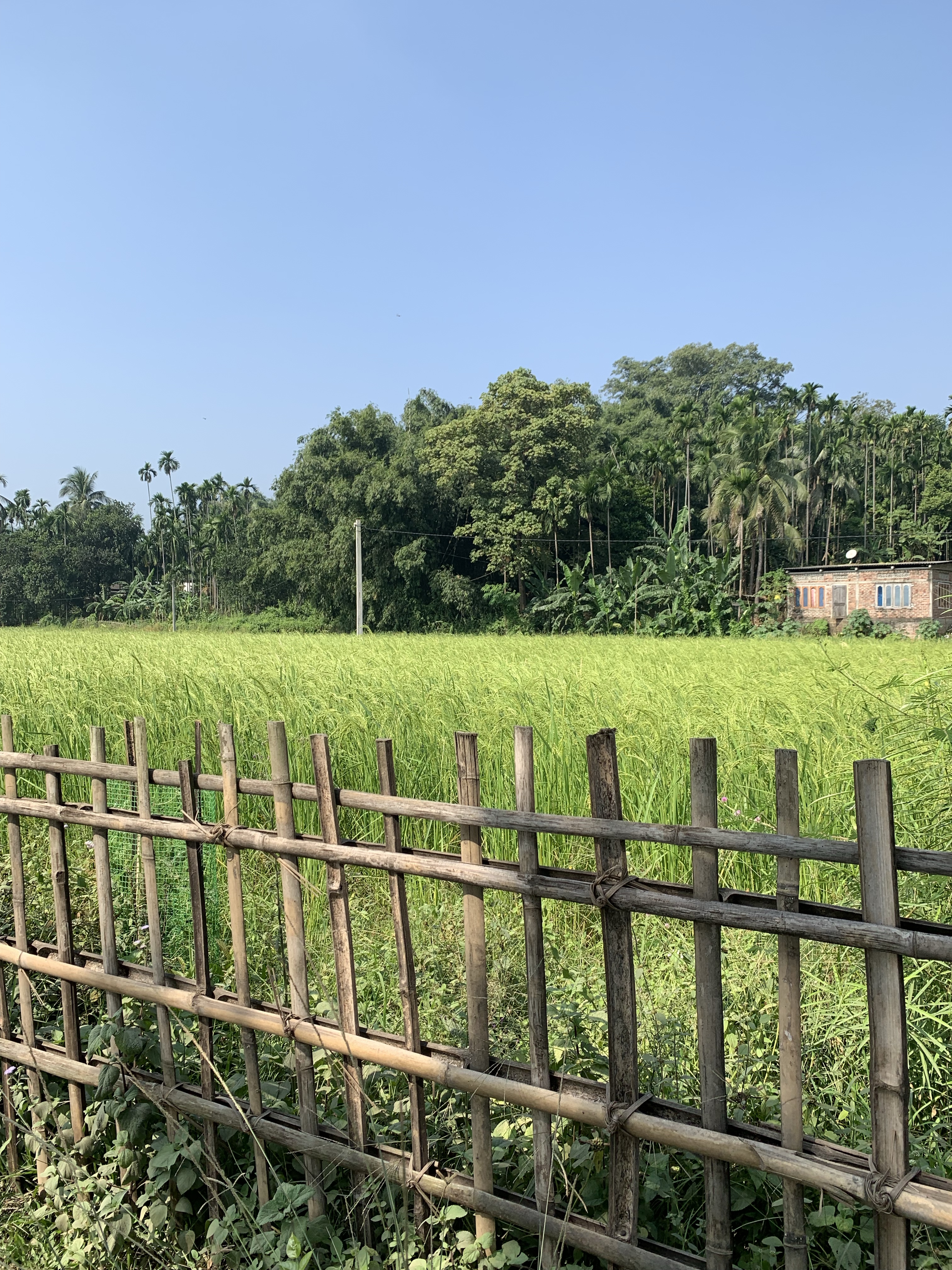
    Despite the long journey ( 4 hours and 99 km) the pleasant scenery of bamboo forests, tiny stalls on the road selling local produce and the conifers that announced the hill station of Shillong distracted us. We could have made it shorter if we hadn’t made stops along the way.

    Bara Pani or Umiam Lake an artificial water body for rainwater harvesting along the way is a must-stop even if it is just to stop and stare.

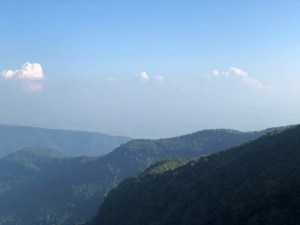
    Shillong was touted as Scotland of the East and possibly it was during its heydays. Sadly today, it has lost much of its old-world charm and glimpses of its glorious past can only be spotted in a few houses that haven’t given way to modern concrete monstrosities and the Cantonment area where military establishments still retained their old colonial heritage.

    Ciao,
Design a site like this with WordPress.com
Get started